I’ll get to work, after one more episode…


If you hadn’t noticed, I’ve been absent from posting anything new for almost a whole month here. And while I’m grateful for the couple of emails I received from a few folks asking me why the hell I’ve been lollygagging(!) around and not updating, I must confess: I needed a break. Not that this blog’s output has been particularly prolific, as I’ll always favor quality over quantity, longer more in-depth writing rather than short bursts of message board quality troll like commentary, nevertheless I was starting to feel like I needed some time to catch up on the rapidly piling up stack of new music I hadn’t properly digested yet. I was still listening to metal during the last month, but doing so freely, as opposed to the schedule laid out by various album release dates. There was a lot of revisiting an individual artist’s back catalog, checking out releases from bands I had stopped paying attention to for the past few years to see what they’ve been up to, as well as just deciding to listen to some personally designated classic albums — there was a lot of repeat listens to Therion’s Symphony Masses for example.


In addition to all that, I just felt the urge to indulge in some interests away from metal for a little bit. Its something that I think a lot of us who write about music or various other topics go through every now and then but keep to ourselves. But the reality is that sometimes you just need to spend a few days in a row crashing on the couch after work to watch yet another complete season of Mi-5 on Netflix, catch up on 360 games, or just tune everything out and read a book. I think I’ve spent an unreasonable amount of time in the past feeling privately ashamed that I’ll occasionally wake up with Good Morning America or NPR instead of (insert thrash/death/black metal classic here), but I’ve gotten older to such a point where that kind of thinking is uncomfortably childish. Perhaps it is simply growing into adulthood, but I’d like to think that my lack of one hundred percent focus on all things metal is far more beneficial than not. I’m sure this concept isn’t exactly a revelation to many of you, but it has been to me over the past few years, and its taken time to adjust. When I decided to author a metal blog, I knew going in that things would get difficult when I hit these speed bumps, but I think that going forward I finally have an idea of how to creatively embrace those brief lapses in metal concentration for the purposes of this blog.


With that being said, its about to pass a half a year since I first launched, and I’d like to take a moment to thank those of you who have been reading (or at least subscribing and ignoring – I’ll take it!). I’ve already had far more viewership than I could have possibly imagined at such an early stage, and hope to continue to build on that in the months and years to come. Here’s whats coming up this week and beyond:

  • A comprehensive look back at the past month of new releases by Sabaton, Dragonforce, Sonata Arctica, Grand Magus, Kreator, and Burzum.
  • I’ll ponder the potential of a Roy Khan-less Kamelot, examine just how vital his role was in the band’s artistic successes, and discuss how he will be extremely difficult, and perhaps near impossible to replace.
  • Crazy from the Heat! Metal and the arrival of summer.


Es lebe Deutschen heavy metal! Neue alben von Accept und Running Wild!

April’s been delivering metal in loads with new Rage, Unisonic, and Dragonforce (more on that soon!), and continues its deluge with two new trad metal albums from German legends Accept and Running Wild. I’ve been listening to them periodically for a few weeks here and am ready to dish out some verdicts! Alle von euch metalheads, Achtung!


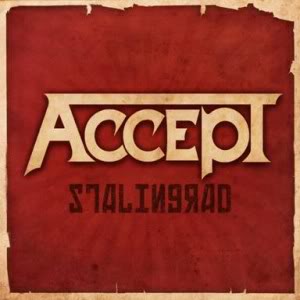
Accept – Stalingrad:

I was a late believer to Accept Mach II. No Udo? Ok whatever. What a fool I was, and my dismissive brushing off was abruptly and forcefully corrected upon my first listen to 2010’s relentless Blood of the Nations – an album that not only took Accept to new crushing sonic territory thanks to the production work of Andy Sneap, but was actually able to out heavy most extreme metal records released that year. I love that album from start to finish, and when I saw them live in the summer of 2011 in the dark, sweaty confines of Houston’s Scout Bar, I loved it even more. Accept with Mark Tornillo doing old and new Accept music live simply busted me to the floor and I wondered how they’d possibly manage to do something to top all of this. Well, in terms of their next studio recording, the answer is I guess, that they can’t. Its even understandable in someway, inevitable perhaps, and we can look back on the Blood of the Nations album/tour cycle as a truly special moment for the band – a once in a career watershed.


Its not all bad, Stalingrad is actually a pretty decent record, some filler notwithstanding, but that in itself is what makes it a slight disappointment. Its predecessor was front to back excellent, no filler, even the well placed middle of the album ballad was artfully done. It was a reinvigorated, re-energized Accept serving up the best of Wolf Hoffmann’s stockpiled riffs and going … erm, balls to the walls if you know what I mean. Here, I find myself struggling to maintain interest through a couple songs, and I keep playing them in hopes that they’ll grow on me, but at this point I think that they could have left off “The Galley”, and “Flash to Bang Time” and made the overall album stronger as a result. Whats positive on offer here is quite excellent, particularly the stately paced, soulful “Twist of Fate”, the hammering opener (and charmingly titled) “Hung Drawn and Quartered”, and my personal favorite, the epic march of “Shadow Soldiers”, which seems to look to the Scorpions and their 2010 North American tourmates Sabaton as musical and lyrical touchstones respectively. The Sabaton comparison is particularly apt when you consider the head scratching title of the new album —- it seems like something that those war obsessed Swedes would tackle.


This is neither a conceptual nor thematic album, and apart from two songs including the title track, the centrality of Stalingrad as an album title is left as a bit of a mystery. Some special kudos need to be given to Mark Tornillo, he completely owns the vocal role in this band now, and frankly, sounds a hell of a lot better than even Udo at his prime. His ability to shift from raw, throat scraping metal screams to bluesy, soulful, impassioned Coverdale-esque vocals while not losing an ounce of richness and texture is flat out astounding for someone who’s been on stage for as long as he has. Precious few others share that same ability. In conclusion, a solid, above average effort from a band on its second lease in career life, but nothing as earthshaking as its mighty predecessor. Check that one out if you haven’t already, then grab this to supplement.


Running Wild – Shadowmaker:

Here’s a surprise. It was pretty much taken as a given that Rock’n’Rolf’s decision to weigh anchor on Running Wild’s career in 2009 was long overdue. The decade prior was characterized by a continuous streak of mediocre albums, capped by the truly uninspired, awful, and unfortunately titled “Rogues in Vogue” in 2005. The band’s finale concert at Wacken Open Air was recorded and released as a DVD, and it seemed a fairly respectable way to go out – on home soil at the greatest metal festival in the world and giving the fans the favorites they wanted. So regardless of the reason why he decided to resurrect the band (with merely two members this time), the time off seems to have done him a world of good, allowing him to perhaps gain from his separation from life as a touring/recording musician.


With Shadowmaker, Running Wild sounds revitalized and refreshed both sonically and musically. Gone are the muddy, compressed, and dated sounds of the past few albums, and in its place is an approach that is startlingly stripped down – more geared for old school Thin Lizzy-esque hard rock than anything remotely German metal related. I’m not only referring to sonics and production, but in the fundamental songwriting as well. The songs are simple, relaxed, and built on sturdy yet catchy rock riffs, solid melodies, mid-tempo rhythms, and far more clearer vocals than ever heard before on any Running Wild album. This is actually really fun stuff, no brainer, memorable hard rock with only a sprinkling of the band’s traditional pirate themed lyrics, and it invokes the best aspects of classic AC/DC, Accept and the aforementioned Thin Lizzy. Album starter “Piece of the Action” boasts a rockin’ series of riffs that lead into an almost Saxon-esque chorus, while “Into the Black” features an excellent laid back riffing juxtaposed with ominous melodic overtones. “Dracula” is the only track that approaches metal like speed and intensity, with double kick and intense riffage enjoyable enough to make you forget about the ham-fisted lyrics.


The criticisms that I’ve seen of this album from some Running Wild purists who are screaming foul about the change in musical direction are most often geared towards a track called “Me and the Boys”, a cheeky self-serving rally cry that is at least in my minority opinion the best track on the album. I’ve read descriptions of this track being cock-rock-esque, and sure, that may be an apt description, but its only one track, and a welcome change of pace during the middle of the album. Corny lyrics yes I agree, but I can’t help but grin when listening to it, even singing along to its rollicking refrain, the last line of which goes “Cause rock n’ roll is our choice”. Ouch. Well lets not start comparing Rolf Kasparek to Bob Dylan, lyrics on Running Wild albums are best taken lightly or literally, sometimes both. Running Wild has not sounded this vital in a long time, and this may be the biggest surprise of the year – perhaps not the equivalent of Accept’s post-reunion impact but definitely noteworthy of its own accord. And as Rolf sings “Just another night / We are Running Wild”, its great to have them back.

April Power Metal Showers: New albums by Rage, Pharaoh, and Kiske-Hansen reunion Unisonic

After a rather slow opening to 2012 metal wise, things are starting to pick up here at the dawn of spring with a flurry of relatively new releases that I’ve been listening to in random fashion for the past few weeks. I have quite a few on my list that I want to devote individual reviews to and will be in the coming weeks, and surprisingly the most noticeable genre being represented amongst these new releases is power and trad metal. So to get a jump on the ever-growing stack of albums that will need reviewing, I’m presenting my opinions on three selections from the aforementioned genres in one go – starting with the seemingly eternal German trad/power metal vets in Rage:


Rage – 21: Look, if you know about Rage, then you should already understand what to expect from a new album by them, Accept-like German teutonic heavy metal meets Megadeth-ish thrash and speed, stuff your experimental sounds and modern influences nonsense. There’s been a few things here and there with symphonies, some detailed progression within albums that would only be noticeable to die-hards, but one the whole, Rage delivers meat and potatoes German heavy metal on a rather consistent basis. Unfortunately, one of the side effects of such reliability in the metal world is that unless your band features a true gem of a songwriter/songwriting team, you’re going to end up delivering way more average to good albums, rather than great ones. I’ve always wanted to love Rage, and I check out each new album in hopes that they deliver a knock out like they almost did with 2002’s Unity – and this might be the closest they’ve come since then. Their newest, 21, is a good, not great record, but it does have a pair of truly great metal anthems that are worth talking about: namely the slow burning “Feel My Pain” and the truly stellar masterpiece “Forever Dead”, which by itself is going to be responsible for my including a top ten songs list alongside the albums list at the end of this year. What a track, check it out here:


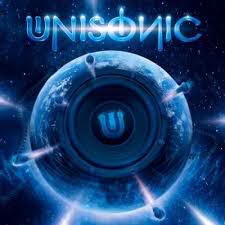
Unisonic – Unisonic:

The long hoped for reunion of two power metal icons, Michael Kiske and Kai Hansen – I think we all figured that either it’d end up as a Helloween reunion tour cash grab or never at all. However fate or Tobias Sammet, you pick, intervened and brought these two together on stages across the world during Avantasia’s short run of tourdates during December of 2010. Their rekindled musical union took a further turn upon Kiske inviting Hansen to join him in his newly forming band Unisonic. Just a brief warning, the end result isn’t Keeper-era Helloween, or even remotely close to anything resembling the classic power metal archetype these guys helped to create. What you get is a record full of brightly produced, melody heavy, catchy guitar rock with Kiske’s smooth vocal delivery at the forefront that overall most vividly invokes the better parts of Van Hagar with some Scorpions, Styx, and general AOR stylings. Here’s the thing with this album, some people might be disappointed because they had differing expectations, but for anyone who goes in with an open mind and a general appreciation for good hard rock with a bit of a positive slant to it will be greatly rewarded. I really am enjoying this record, its nothing earth shattering, but its a great listen when you’re in the mood for something easy, ultra-melodic, catchy and dare I say it, happy sounding.  The real highlights here are “I’ve Tried” and “Never Change Me”, the former a moody, shifting song with a panoramic chorus that only Kiske could deliver; while the latter features one of the most compulsively catchy melodic hooks you’ll hear all year. Another one to YouTube up is “Never Too Late”, which features a Green Day-ish pop-punky vibe to it which is alarming at first listen but not distasteful in the slightest. Honestly, I’m surprised at my reaction to this album, I didn’t think much of it upon my initial listening experience but it has rapidly grown on me.


Pharaoh – Bury the Light:

I’ve been vaguely aware of the name Pharaoh over the years, but it was one of those things that I just saw in passing and never bothered to investigate. Finally I heard a track of this newly released album on a favorite metal radio show and my jaw dropped. These guys do a blend of old school styled NWOBHM meets darkened trad metal, and yet avoid taking the cliche filled routes by the numerous crop of current retro-styled bands popping up everywhere. You get the feeling when listening to Bury the Light that this is the only metal these guys could, and would want to play. Strong hints of Metal Church, classic Metallica, and particularly classic Savatage abound, the latter most noticeable because the vocalist during high notes is a dead ringer for Jon Oliva. That’s fine by me, its nice to have a modern band around that draws serious influence from one of trad metal’s great yet often forgotten giants – long overdue really. Its hard to single out highlights because I find myself content to simply let this play from start to finish, but upon closer inspection I’ll spotlight for YouTube look-up purposes the dramatic building up found in “The Spider’s Thread”, where the finale section of the song delivers a payoff that touches the very nature of what I love about metal. The longest track on the record, “The Year of the Blizzard” manages to justify being the epic of the album by featuring some very old school flourishes: mellow acoustic sections, twisting guitar harmony-led passages over tortured Oliva-esque vocals all while still managing to deliver precision thrash. “Cry” even has some moments that echo the best of classic Blind Guardian without sounding anything remotely like the German legends – and if you’re thinking that all these references to other bands makes Pharaoh seem a bit unoriginal, I feel it necessary to justify the comparisons by emphasizing just how truly fresh this album feels, and to simply let the comparisons give you an idea of what traditions this band seems to be drawing from. Sure its not reinventing the wheel, but well written and inspired metal doesn’t need to. Its hard to not see this album being in my top ten list at the end of the year.


[youtube https://www.youtube.com/watch?v=8Otj5dZOz0s&w=560&h=315]

Borknagar – Urd: Gritty, Earthy, Epic


The first thing that popped in my mind upon listening to Borknagar’s newly released Urd was “where the hell has this Borknagar been for the past few albums?”. The last album by them that I truly enjoyed in its entirety was 2001’s fierce astral black metal masterpiece Empiricism, it was a precision blending of sharp, blackened riffs, thoughtful clean vocal melodies, and the strong keyboard driven atmospherics that have become their trademark. But the follow up albums seemed to forget the recipe to this formula; 2004’s Epic was a spotty affair, and 2010’s Universal was… I hate to say it, somewhat boring – barring a few songs that had some semblance of memorability. The stopgap all acoustic album, 2006’s Origins, was an interesting idea, and I so wanted to enjoy its execution, but sadly I found it lacking in strong songwriting and melodies. It seemed throughout this period that the band was inclined towards inheriting the proggy soundscapes of vocalist Vintersorg’s solo albums (of which I am a fan), but were unable to reconcile them with their traditionally earthy black metal foundations, often resulting in songs with overblown keyboard weirdness, lack of memorable melodies, and songwriting that wandered all over the place and could not keep its focus.


What Borknagar has done with Urd then, is a thorough addressing of all those deficiencies. This is a stunningly great record, devoid of filler tracks, and containing the most emotive and powerful songwriting of the band’s career to date. The keys here are in their efforts to refine and simplify their songwriting, as well as using a light touch when it comes to keyboard and studio engineered atmospherics. There seems to be a conscious effort to create strong, memorable melodies and revisit them in creative ways throughout the song without having to fall back on a standard verse-chorus-verse format — in a way they work more as motifs than hooks. In keeping with the title of the album, the sound here is grounded in a grittier, earthier style that seems more conducive in invoking imagery of the natural world.  I always respected the band’s interest in cosmology, physics, and all other things science — but after four albums in a row of it, and its corresponding influence on their sound at the time, a change was direly needed. The stronger emphasis on clean vocals here is unexpected, but its the distribution of vocal talent throughout the record that is a greater surprise, as its not just the Mr. V show anymore but what appears to be a full on divvying up of the lead vocal duties between Vintersorg, ICS Vortex, and Lars Nedland, all of whom have a particular distinction to their vocal character.


There is nary a dip in momentum from start to finish, and the band should be commended for good decisions in track sequencing. There are a few highlights that stand above the rest however, beginning with “Roots”, one of the heaviest tracks on offer and perhaps the catchiest. The brief shift away from its fantastic chorus to launch into the epic of rush of speed metal drumming and classic tremolo sweeping riffs laid under chanting vocals at the 2:45 mark is so damn compelling you’ll find yourself rewinding to it over and over again. The epic on the album (not only in length) is the complex “The Winter Eclipse”, which juxtaposes crushingly heavy riffs and searing harsh-grim vocals by Vintersorg against all three vocalists joining in with clean vocal harmonization on the chorus. The absolute standout however has to be “The Earthling”, where the initial slow tempos and ethereal chanting give way to a furious blast of black metal fury that alternates with almost swinging guitar melodies — this all works its way up to a grand, sweeping finish at the 5:59 mark that is such a satisfyingly climactic payoff, its no wonder they decided to only include this part once and as a finale at that (I feel a lesser band would have employed it as a chorus).


This is the biggest surprise of the year so far, and a strong contender for album of the year. I’m happy I’m enjoying this so much and not ho-huming about it like the past few albums. Welcome back Borknagar.

In Flames: What was new is now old again


Clayman and my introduction to classic In Flames:

 
In Flames played a big role in my metal upbringing, specifically in my acceptance and understanding of extreme metal styles. They weren’t actually my introduction to say growling or death vocals, as I had heard various Cannibal Corpse and Obituary records during my teenage years and enjoyed them, though perhaps more for their context as part of a mosaic soundtrack to lazy, boring, suburban summers than their actual musical content. One day I finally obtained Morbid Angel’s Altars of Madness on a dubbed cassette, and it was the first album with extreme metal vocals that managed to pull me in and capture my attention, but I still wasn’t fully committed to harsh vocals/growls, and I’d find myself harboring thoughts (that seem heretical now) about how it would sound better with “regular” vocals. Time passed and I began to slowly move away from my mainstream American metal tastes and delve further into the goldmine that was European metal, with its reserves of power metal and traditional metal, styles that seemed vacant on this side of the Atlantic, if they were ever here at all.
 

It was through print magazines such as Metal Maniacs, Terrorizer, Kerrang!, and Metal Hammer among others where I would receive most of my education about this untapped metal territory. In Flames was a name that I’d see popping up numerous times throughout all these publications, and it was finally a review for the Colony album in Brave Words and Bloody Knuckles that made me decide to aggressively seek out the band’s music. Of course, being 1999 or 2000, whenever this moment precisely was, the internet was limited in options available to preview a band’s music online. I kept the band in mind and finally in July of 2000, I heard the opening track of the newly released Clayman album, “Bullet Ride”,  played live on HardRadio. It was one of those “a-ha” moments, a song that made harsh vocals make sense in a way they never had before. I couldn’t imagine listening to the song with any other type of vocal and that was my personal turning point in metal. Anders Friden was my gateway vocalist for harsh vocals, and In Flames became my first true gateway band into the various genres of extreme metal. I went back and listened to Altars of Madness and I finally understood. I remember my next album buying spree was a copy of Clayman, Cradle of Filth’s Cruelty and the Beast, various Emperor albums, and a mail ordered copy of The Jester Race (other In Flames classic albums would come very soon after). I even appreciated Cannibal Corpse with my new ears (that being said I get bored listening to them far too quickly to call myself a real fan).
 

The Clayman album in particular was an incredibly important record to me on a personal level. For various reasons, the fall of 2000 was a confusing, turbulent, and overwhelming time full of insecurity and depression and that album became an aural security blanket. I phrase it so because that disc was never out of reach. I had just started university, had begun working a new job, and moved into an apartment near downtown, so I was commuting all the time across Houston with In Flames blasting in my car and in essence becoming the soundtrack to one of the coldest falls and winters I can remember. I loved The Jester Race as well for sure; its hypnotic, beautiful guitars and crushing brutality blowing my mind in ways I never imagined music could (and I remember thinking to myself back then that this was the kind of music I had been subconsciously trying to find for years), however Clayman shared in these new found feelings to an even greater extent. The Wikipedia entry for Clayman lists its lyrical subject matter as “depression and internal struggles”, and it was in these lyrics that I found for the first time an album that seemed to speak to exactly what I was going through at that precise moment. Every single song held some nugget of truth for me, even if it was just like holding up a mirror to myself — it was really the first time that music had impacted me in that severe, stark, and honest manner.
 

The music only served to amplify the lyrics through wildly ultra-melodic guitar work that was not just window dressing, but actually woven into the fabric of the song as harmonized melody lines — to my ears it was like the classic Maiden guitar sound pushed into overdrive. Something else was at work though. Guitarists (and primary songwriters) Jesper Strömblad and Bjorn Gelotte seemed to infuse an underlying current of homegrown Scandinavian folk music into their guitar work, it was unlike anything I had ever heard before, and it gave their songs a sense of melancholy and ethereal beauty that was not common to me in metal. All this while a punishing rhythm section gave the songs the sheer heaviness and pummeling aggression soaked speed when needed. Friden’s vocals were gratingly harsh yet coherent enough to understand the lyrics, and he seemed to possess an innate sense of when to reign it in and when to unleash, a seesaw effect that made it seem like he was a pressure cooker going off in spectacular fashion. It was so effective it even made his often clumsy on the surface lyrical metaphors (perhaps due to having English as a second language?) come off as unique and even strangely poetic. From Lunar Strain to The Jester Race and Whoracle, through Colony and Clayman, this fundamental approach unleashed masterpieces.
 

[youtube http://www.youtube.com/watch?v=qNDknB7UpFo&w=560&h=315]

 
The self delusion of newer (inferior) In Flames:

 
I went back and picked up the rest of the band’s back catalog, and enjoyed those records tremendously. When the next In Flames album, 2002’s Reroute to Remain came out, I listened to it intensely for a long period of time, and while I enjoyed some of the songs to varying degrees it was clear that the band was in a transitioning process of changing up their sound. The next few albums were the result of the this transition, and most readers familiar with this story even a little bit knows what happened next. The huge inevitable fan backlash, greater success for the band with newer audiences, an image change for the band which only fueled hardcore fan anger, etc.  With each of their subsequent releases I would read accompanying press interviews with the band in which they stated that they were always looking to move forward with their sound and not wanting to be stuck in the past. There was a clear dividing line in the band’s aural history now; the classic era which spanned from the band’s inception up to the Clayman album, and then the new In Flames era from Reroute to Remain on to the present day. I had mixed feelings on the new era, despite doing my best to support the band by calling myself a true fan (and doing all the things a “true fan” should do, buy the album on release day, go to the shows, etc), and these mixed feelings were really centered around what I felt was a complete inversion of the band’s sound and songwriting style.

 
Here’s how I see this inversion in a nutshell: With the classic In Flames era, the guitars and their melodic harmonies drove the song, they were in the forefront and almost always provided the main hooks, and the vocals would work around them, often simply accompanying them — go back and listen to the records, it was a sonic trademark of everything in those first five albums. Now, in the new era of In Flames, beginning on Reroute to Remain, the vocals began to drive the songs melodically, mostly through an emphasis on trying to deliver a catchy chorus, and the guitars were relegated to supporting the vocal melodies through simpler riffing (and the wild, ultra-melodic guitar work of the past was now left mostly to the solos). Basically, Anders Friden decided that he wanted to be a singer, instead of a screamer/growler, and he greatly impacted the way the band composed songs to completely alter the fundamental songwriting approach that had been in place for the classic era. Sure it still sounded In Flames-ish in parts, like I said, Jesper and Bjorn would often let their melodic instincts let rip in solos or various guitar passages, but they no longer propelled the song forward with their hypnotic dual harmonies as in past albums. The band lost what made them special to me — and the jury’s still out on who to blame, some people would say it was Anders’ Depeche Mode influences, but I tend to point the finger at a far more general American rock/metalcore/Ozzfest influence that creeped into the In Flames camp.

 
Bringing all this up, however, is already an online metal cliche — I’m not saying anything that most other fans of classic era In Flames haven’t thought to themselves or spouted out on metal forums the web over. What I’d like to point out however is that the guys in the band are now failing to realize that despite eagerly proclaiming that they only want to look forward and not repeat themselves, they have been spinning their wheels with their last few albums and in essence have been doing exactly what they claim they work so hard to avoid. The sounds and styles of Reroute to Remain, Soundtrack to Your Escape, Come Clarity, A Sense of Purpose, and Sounds of a Playground Fading are the same! As a fan I’ve been patient and have allowed a certain degree of flexibility in this area, thinking that these guys were obviously very keen on heading in this direction and that hopefully they would get it out of their system within a couple albums and move on (and I don’t mean to suggest they go back to their earlier style even, but simply “move on” to something else).  But five albums have been delivered in this style, far more than just a couple, and while there are a few pretty good songs on each of these albums, particularly Come Clarity, they consistently failed to deliver the front to back excellence of any of the classic era releases.

 
When it was announced that Strömblad, the band’s last original member, was leaving, I feared the absolute worst — he was after all the keeper of the band’s signature guitar sound, it would be doubtful that Bjorn Gelotte deliver the melodic goods by himself. And I was right. The most recent In Flames release, Sounds of a Playground Fading, is the dullest, most yawn-inducing entry into their catalog. With the exception of “Where the Dead Ships Dwell”, which has an undeniably great chorus and seems to me one of the band’s best songs in this new-era style, the rest of the album falls flat, and there’s not even the presence of Strömblad’s guitar borne melodicism to salvage the mediocre songwriting. Everything that this once great band had, they’ve lost, and my personal appeal to them is the following: Attempt to get Jesper Strömblad back in the fold, and regardless of whether or not you accomplish that, begin to head in a new musical direction. This current style found its creative peak with the Come Clarity album, and you were pushing it with A Sense of Purpose. Its time to actually practice what you guys so defensively preach in interviews as well as in response to the “I want The Jester Race Pt2″ appeals and genuinely do something forward thinking and new. You can’t blast fans for wanting another album in the style of Whoracle or Colony when you’re currently on Reroute to Remain Pt 5.
 

[youtube http://www.youtube.com/watch?v=7614mSu4hbk&w=560&h=315]


Remembrance of Things Past: Iced Earth / Symphony X / Warbringer @ HoB in Houston, Texas 2/29/12


I have never been a fan of reading concert reviews. I find that most of them are overwhelmingly positive to a fault; you can often hear the giddy fanboy-ism of the writer lurking just beneath the sentences. I’m all about respecting the die hard fan, but I find that either I completely agree with their concert review, or am indifferent to it. In other words, I get little out of reading them. At best I’ll see what people are saying on message boards or Facebook about overall impressions of a particular tour, check out setlist.fm, and sometimes seek out any pictures available of the stage show. Usually all this is done in preparation for an upcoming show on a tour that I’ll be attending myself. This is why I’ll avoid going into gritty detail about this particular show, and merely offer some lasting impressions. Before I do that, let me indulge a little in a dose of nostalgia.


Nearly eight years have passed since the last time I saw Iced Earth live. I missed the Barlow years before the Ripper era, and again when he returned for the Crucible of Man album. Iced Earth had last played Houston on May 8th, 2004 at a tin box of a venue in downtown called The Engine Room with Children of Bodom and Evergrey as openers. It was a transitioning period for the band: Tim “The Ripper” Owens had made his debut on the highly divisive The Glorious Burden album, fans were trying to get used to the idea, and non-metal media had given the band its first press coverage thanks to the epic three-part closing track of the album, “Gettysburg”, and its use by high school history teachers as an educational tool (seriously it happened).


There I was, hours early at the venue with a friend of mine, shuffling around downtown Houston in the summer heat trying to find something to eat, bumping into an agitated and bewildered Alexi Laiho on the street who was baffled by the lack of any convenience store nearby (“No we’re serious man, you’d have to walk at least eight blocks in that direction…”), and watching in total amazement as the line to get into the show stretched further than I’d ever seen for a club show – multiple city blocks! The venue had a capacity of 650, and we had overheard the Atlanta Falcons jersey-wearing door guy say that they had oversold the show by hundreds. In effect, there could have been 800-1000 people out there. It was nuts. I couldn’t fathom how that many people came out of the woodwork to see a relatively underground metal band (at least in the States). I’d been going to metal shows in Houston for years before this, and the crowds were never THIS big. Where the hell did these people come from and why did I not see them out and about more often?!


Doors had opened, and inside the venue I could barely get from the merch booth to the bar, both on opposing ends of the venue. People were nearly standing shoulder to shoulder, and it took deft movements and side-walkin’ to navigate my way through. I recall buying bottles of water only, no beer, even though I was a year past being of age – I just had a feeling I would need the hydration severely. I was right. Hypocrisy and CoB were easy enough to watch, most of the crowd just idly banging their heads and moving slightly. It was when Iced Earth took stage that the maddening deathcrush of the crowd began. We were close to the front, and in the center, and all I can vividly remember is the feeling of being pushed forward along with the rest of the crowd like a floating buoy in the sea. I was having trouble breathing until I managed to wedge out my arms from my sides and use them as physical barriers against the bodies slamming against me, it gave my compacted torso space to take in glorious oxygen. Somehow I managed to keep my place, and once the initial deathcrush subsided I established my personal space and gulped down room temperature water, surprising myself at having held onto my water bottles. I had been a part of some intense shows before, but nothing that had me feeling anywhere close to “I could actually die here… ah well I guess it would be with my boots on right Bruce?”


The crowd swirled and slammed together in chaotic fashion for the rest of the show. I was battered and literally bruised upon my side. I have images and flashes of memory from Iced Earth’s actual performance, but far more overwhelming is the recollection that when the band launched into the thirty minute “Gettysburg” as the encore, I silently and ashamedly hoped that the power would be cut, the guitars would short out, ANYTHING to get out of there at that exact moment. I could barely stand upright, and once the band took their final bow I collapsed against the bar alongside several other worn out husks of metalheads, one of whom was my now barely standing friend. I distinctly remember the eye-widening on the bartender’s face as she poured us plastic cups of water and handed them over without asking for payment. We managed to crawl back to my car and somehow, I drove us back home. I can’t recall exactly, but I’m certain that not a word was spoken on the way back. It was a point of pride the next day at work to boast to everyone I could of how brutal that show was (and how by silent implication of me standing before them, and not in the hospital, I was a real hardass). I was 22 and shows like that were one more notch in my ever expanding list of concerts attended, slowly I was becoming a metal show veteran in my own right.


Fast forward to last Wednesday night, where I was all too keenly aware of how different I now feel at 29 than I did at 22, and how I imagined Jon Schaffer of Iced Earth (the only Iced Earth member onstage to have taken part in the 2004 show) felt himself, now 43, then 35. I wasn’t sure why I had thought about it so much until well after the show, when I realized that the eight year gap between the 04 show and now had represented the longest period between two shows by a band that I had ever experienced. I could only imagine at what an older concert attendee who had last seen Maiden back in the eighties felt recently upon seeing them say on the 2008 “Somewhere Back in Time Tour”. Personal thoughts to be sure of course, but its a goddamned show and you don’t talk about stuff like that there… though I’d bet that it had to cross the mind more than a few times.


Don’t get me wrong, this may sound melancholic, but its really not. Its not a lament about getting older, nor is it an admonition for younger fans to show the far older, grizzled metal veterans their due respect (even though you should, seriously, most of those guys are awesome and can tell you some tales). This is a dawning realization that apart from metal being the longest, most enduring thing in my life, it also creates markers by which I remember the past. Not all for sure, but many – how else would I remember who I was, and what I was doing in May of 2004 if not for this Iced Earth concert. Details of my life at that time come bubbling up to the surface, and I wince at some of them, and fondly remember others.


I was with some friends at the show Wednesday night, and I remember my buddy to my left speaking with two really short kids standing in front of us as we waited for Iced Earth to hit the stage. The kid pointed to his friend and said “Its his first metal show, not a bad one to start with right?” We approved and slapped the kid on his back and I looked directly over his head to see a greying man in the front row leaning against the barricade wearing a blue jeans jacket that was heavily decorated with concert memorabilia (caught guitar picks, metal band logo pins, badges, etc) including a huge Savatage Hall of the Mountain King patch on the back. It was a stunning juxtaposition.


I promised some impressions of the show earlier, and I’ll keep it simple: The crowd was mostly older, to be expected I suppose, but as shown above younger fans weren’t exempt. I found Iced Earth far more riveting this time with Stu Block at the helm than I did back in ’04 with the Ripper. He’s the right fit for the band and they genuinely seemed happy to be onstage. They really are a violent and eviscerating force onstage, those riffs can tear through your gut when being channeled out at those volumes, and when Stu did the highs it was the very definition of ear-splitting. I thoroughly enjoyed the performance by Symphony X, my 2011 album of the year winners, Russell Allen proved to be a far more engaging and humorous frontman than he was during the first time I saw them live. I will echo my friend’s sentiments however by saying that I wish the rest of the band could be as enthusiastic on stage as Allen, who has to carry the band live (no wonder he’s drinking straight rum from a glass skull decanter(!)). Warbringer are a band I’ll be paying far more attention to in the future, their Kreator-influenced approach impressed me so much I bought a t-shirt. I was disappointed when their opening set was over. All these details I’ll soon forget however, and it won’t matter. What matters is that it was a great show because we had a blast. I won’t remember the technical details, but I will find it hard to forget practically leaping in between my buddies to thrash out during the heaviest, most climactic moment of “Dante’s Inferno”. This is why I get bored reading show reviews: I want to read about why it was such a great experience for a person, not the ins and outs of every facet of the performance. I want to read stories.


Having headbanged and thrown horns for most of the three bands sets, I knew I’d be sore the following morning. Though it wasn’t as violent a show as the 2004 performance was, it didn’t need to be – standing for a long period of time hurts way more now than it did back then. I was relieved in a small way that the crowd apart from the circle pit was fairly cool tempered. You could drink a beer comfortably if you wanted to, and it seemed most wanted to. I got back to my apartment complex and could barely make it out of my car, as my back had seized up painfully. I briefly considered just falling back into the driver’s seat and sleeping there in the parking lot all night. Somehow I semi-hunchbacked it all the way up to my apartment, laughing aloud while doing my best Mort Goldman. A fitting bookend to this particular concert. At the 2004 show, I felt as thought I could have almost blacked out or worse, and I could barely make it from the venue to my car — only to bounce back the following day to head to work. On Wednesday night I could barely walk, and I could only be comfortable falling asleep sitting up on my sofa. I spent the next day sitting still and ice-packing my neck. Iced Earth 2012 had rendered me useless. I could have easily found it disheartening, but I honestly found it humorous instead — the more things change, the more they stay the same.


The Metal Pigeon’s Most Anticipated of 2012

Even though February is almost over, I’ve only just recently felt as if I’ve closed my book on metal in 2011. I suppose its always the way with me, it takes me a good bit of time to process all the year end lists on websites, blogs and magazines. I’ve spent most of the past few weeks playing catchup on stuff I missed, and haven’t give much attention to whats on the horizon. Really quickly, here’s some random thoughts on my five most anticipated metal releases/events of 2012:


Therion – TBA: I honestly didn’t expect this to be announced so soon after their last release, given that Therion do like to take their time with new albums, but perhaps something was urging Christofer Johnsson to shorten the wait time for the follow up – some internal nagging that was telling him what many Therion fans already knew, that 2010’s Sitra Ahra didn’t live up to expectations. The expectations were, at least from this fan’s point of view, that there would be an appropriately epic and breathtaking series of songs to conclude what had become a quadrilogy (with Sirius B, Lemuria, and Gothic Kabbalah). They were hitting home runs with those prior three albums, without exaggeration I consider all three to be some of the most wonderfully unique music I’ve ever listened to, in all genres, ever. So all my gross salivating over Sitra Ahra leading up to its release date quickly ran dry when I listened to the album for the first time.


One of the hallmarks of Therion has always been their ability to temper their extravagant, bombastic symphonic and progressive tendencies with restraint and elegance. Here it seemed, however, that Johnsson had lost his handle on whatever internal mechanism he’d always had that allowed him to say “Eh, thats overdoing it”, or “That sounds garish, even for us”. Guest vocalists delivered jarringly bad or ill fitting vocal takes that ruined potentially great songs, arrangements that in the past would be tempered by space or silence were instead overloaded to ruin. Not all was bad, the title track, “Unguentum Sabbati”, and the truly excellent “Kali Yuga III” were three songs that made me long for what could have been. So why have so much anticipation for this upcoming album from a band that just released an average at best album? The hope anyway, is that with the new album representing a clean slate, lineup wise as well as conceptually, Johnsson will feel comfortable in re-simplifying his approach and veering away from the apparent need to outdo each previous album’s bombast. Also, as fanboy-ish as it sounds, I don’t believe Therion can put out an average record twice in a row – they’re just that great overall.  The previous time they released an “average” record, they followed it up with a masterpiece in Theli. History repeats itself?


Burzum – Umskiptar: You have to hand it to Varg, he delivered the goods upon his release from incarceration with Belus and Fallen, both excellent albums. I was far more impressed with the latter and its strikingly unique approach on certain tracks. Who says Norwegian black metal is stale and uninspired? They must have not heard “Jeg Faller”, or “Valen”. The development of his signature sound was pushed to unexpected new directions, and Varg found out that he wasn’t adverse to vocal melodies either (!). My first listen to Fallen took me by complete surprise, it was like hearing the classic Burzum sound yet unlike it at the same time. A complete surprise in many respects. And this is why the recently announced Umskiptar is so high on my list of the most anticipated albums to be released this year (the jawdropping cover art doesn’t hurt either). In fact, the only thing that will top my surprise at hearing Fallen for the first time will be if Umskiptar doesn’t make my top ten of 2012.


Wintersun – Time: I know what you’re thinking, what makes me think that this will be the year that extreme metal’s own Chinese Democracy will finally be released? Call it a hunch, but enough time has passed already for Jari Mäenpää to get his technical situation sorted (I won’t go into the stupid details for those who don’t know them, only will pause to wonder why his record label, Nuclear Blast, won’t pony up a small check to pay for his hardware upgrade to finally help them get this damn thing released and recoup the budget?!). The reality at this point is that its a very fair question to ask if anyone will really care once it is released. Invariably it will be met with its fair share of criticism, the kind due any album that overstays its time in the oven and can’t meet the nigh insurmountable expectations its created. Its similarities to Axl Rose’s long delayed grandiose commercial bomb are eerily similar, an insanely multi-tracked production overseen by a perfectionist nutter, rumored problems with both the studios and equipment, and even Monty Python-esque train wreck humor in the form of noisy construction next door. I look forward to finally hearing the thing however, and I think 2012 is finally the year we’ll have the opportunity, if only for the fact that by May it will be six full years since production first began, and I don’t see Nuclear Blast willing to wait any longer than that. Admittedly, I’m far more interested in hearing Time simply because it has taken so long to complete, than I am because I’m some die hard Wintersun fan (how can you be a die hard fan of a band with just one album released in ’04?) If there actually are many others out there who are similarly curious, then perhaps both Wintersun and Nuclear Blast will find that it was worth all the time and trouble.


Iron Maiden’s “Maiden England” World Tour: On Saturday, August 18th, I will attend Iron Maiden’s final stop of the North American leg of their newly announced “Maiden England” world tour, a show which promises to echo its VHS namesake’s classic setlist as well as other songs from that era. In essence this is a sequel to the “Somewhere Back in Time” world tour of 2008, just advancing up the timeline of the band’s golden 80s era a bit. Well, I couldn’t be more thrilled. This is in fact my favorite band of all time, the kind of favorite band that underlines and anchors so many things I love about metal as a whole. Having another chance to see them before their soon impending retirement is not something that I take lightly — I’m very well aware that this could be the last time I get to see the mighty Maiden, and the fact that Houston gets the final tour date is all the more sweeter. When I first heard the news, it buoyed me for the rest of the workday and beyond, I felt giddy and wanted the show to be that night. I actually hadn’t listened to Maiden in a good many months but that day I went home and watched a few Maiden DVDs and had flashes of the rush I experienced upon seeing them live for the very first time. This is a purely self-centered addition to this list, but I think deep down, I’m anticipating this show more than any actual albums this year.


Darkthrone – TBA: I loved Circle the Wagons and quite frankly, can’t understand the animosity some fans feel towards the past few Darkthrone releases. Is it really all that far removed from the band’s 90’s pure black metal output? It still sounds like Darkthrone to me, albeit a bit more experimental in some areas (see “Circle the Wagons”, “These Treasures Will Never Befall You”) — and much to the chagrin of those who dislike the newer stuff, Fenriz has mentioned offhandedly that the newer material will echo the aforementioned songs. I view it as a welcome stylistic shift, I love those songs, as well as the rest of that record. I’ve checked my I-Tunes count play and see that its my most listened to album in their discography, even over Transilvanian Hunger. Haters be damned, I love new Darkthrone and hope they keep on the track of making the purists mad. I don’t always feel that way about a lot of bands but in this case, the songwriting seems to keep getting better as a result. Full speed ahead Gylve.

Blind Guardian – Memories of a Time to Come

BG_MTTCSo what exactly is this album supposed to be? I’ve seen this question thrown around a bit lately as many of us wonder whether or not to start hitting the currency converters on our phones to find out the cheapest potential price at which to import this. The name Blind Guardian is synonymous with quality and more often than not, we as fans buy first and ask questions later. Billed at its best as a three disc set (an abbreviated 2 disc version is also available), Memories of a Time to Come collects sixteen previously recorded and released Blind Guardian songs culled from the entirety of their discography, and either remixes or re-records fifteen of them. The lone untouched track  is “Sacred Worlds”, from 2010’s At the Edge of Time — and before you ask, there is no explanation as to why it is included this way. The third disc of the set features the band’s old demo recordings from the era in which they were known as Lucifer’s Heritage (some tracks are listed as reworked, but its difficult to tell what that exactly means). View the complete spec sheet here.
 

The announcement of this compilation came as something of a surprise, especially given that the only releases the band had mentioned during their last press campaign as being ‘on the horizon’ were the orchestral project and the next proper Blind Guardian album. Additionally, an interview with Hansi and Andre on Italy’s Spazio Rock suggested that the only remixing project the band had planned, however vaguely, was a complete redo of 2002’s A Night at the Opera. The only thing I can guess at is that Virgin Germany, Blind Guardian’s previous label, was going to release a basic best-of compilation regardless of the artist’s approval or disapproval, and the band wisely chose to include themselves in the process in an attempt to turn it into something unique. I suppose that’s blindly giving Blind Guardian a lot of credit, but I can’t see a label coming up with an idea that is a bit more expensive than just your simple cut and paste best-of compilation (especially for a band that is no longer on their roster).


The selling points being touted are the newly re-recorded versions of “The Bard’s Song (The Hobbit)”, “Valhalla”, and the 2001 epic that defined pomp, “And Then There Was Silence”. The first thing I can say about this compilation is that while the three re-recordings are admirable in both intent and execution, they are rather overvalued in proportion to the actual meat of this beast, namely, the remixes. Before I start on those, I have to get this out of my system: Were Blind Guardian fans really clamoring for a re-recorded version of the lesser half of the two part “Bard’s Song”? It has always been for me the often skipped over track on Somewhere Far Beyond, and I know its never really been a concert staple like its much praised better half…now those two reasons alone could be all the motivation the band needs to give the tune a second look, but frankly the decision to re-record this particular song over many other potential candidates baffles me. I guess the positive takeaway here is that I’ve ended up listening to the song more than I ever did in its original incarnation, though I’m still rather unmoved by it.


The newly recorded “Valhalla” is a significant improvement on the original, even Kai sounds better here, and the guitar solo section is smartly changed up in a satisfying way — however, overall there is nothing all too different going on, this is basically a studio version of how the band approaches this song live. I don’t know what I was expecting, but perhaps something akin to the pair of acoustic recordings found on the old b-sides compilation The Forgotten Tales back in 1996, which completely broke down and re-imagined the original recordings to create something really fresh and unique, which gave the songs some additional or different emotional resonance. This is something I find myself thinking about especially when listening to the new “And Then There Was Silence”. You know what? I prefer the original. Sure it sounded far more compressed, claustrophobia-inducing even, but it was sharper, in terms of execution in the melodies as well as vocal harmonies. The new version feels rounded, softened, less urgent. I found myself wondering whether or not it would have been better served by a remix, I think it would have.


And now on to the remixes themselves. Well, this is why you should drop the cash on this. These are remixes in the proper definition of the term, and every single song that undergoes this treatment benefits as a result. What were once compressed background vocals are now given room to breathe, have their own space, and stand out. Hansi’s lead vocals are placed up front more, Andre’s leads are clearer…hell it seems that everything is able to breathe easier, and given space to ring true. I’m not an audiophile so I can’t get any more specific than I’m being, but classics like “Nightfall”, “Bright Eyes” and “Imaginations From the Other Side” really benefit, they just pop. Were I introducing someone to Blind Guardian I’d make sure these were the versions they’d listen to first. In saying that I realize that the two disc version of this release would make a great introduction to the band for a new listener, a good mix of selected cuts spanning a career of fine moments, presented in the best possible sound quality. I suppose the real draw here is for hardcore Blind Guardian fans, who have already listened to the original recordings of these songs thousands of times and will be able to greatly appreciate the differences presented with the remixed versions. As for the Lucifer’s Heritage demos on the optional third disc, well, they’re demos, embryonic skeletons that were fleshed out for the better later. You either enjoy listening to their imperfections or you don’t.


In summation, the triple disc is worth the purchase if you’re a die hard fan, just take the re-recordings with a grain of salt and enjoy the remixes and demos. Give the two disc version to that one friend who is still not yet a convert.

Last word on 2011: Things I missed

In the past weeks since my year end list was posted, I’ve been enjoying a number of albums released in 2011 that I either overlooked, under appreciated at the time of release, or simply didn’t realize were out until recently. Although this tends to happen every year, I’m no less agitated by my oversights — it seems to suggest a failure on my part to be with it, to have the pulse of what is really great in metal at the moment. But on the other hand, I can only listen to so much at once, especially when I find myself drawn to repeated listenings of a few albums in a particular period of time. To counter this deficiency I listen to a few metal radio streams and select favorite metal radio shows, as well as sifting through the numerous best of 2011 lists to alert myself to music that may have missed my radar. Sometimes just seeing an album that I had ignored earlier reappear in a year end list will get me to give it another listen. Here’s the best of what I missed:


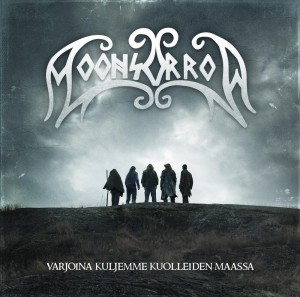
Moonsorrow – Varjoina Kuljemme Kuolleiden Maassa:

Credit for this one goes to the Angry Metal Guy and his Top 10(ish) of 2011 list. I was vaguely aware that Moonsorrow had released a new album through the half-remembered mutterings of a friend, but I was not moved to check it out. Its not that I didn’t enjoy Moonsorrow, my first real Moonsorrow experience was seeing them live a few years back and I thoroughly enjoyed their show, thought they sounded great and proceeded to pick up a copy of their then new EP Tulimyrsky at the merch booth. What I loved in the live setting was not translating through on the recording, nor was anything from their 2007 album Viides Luku – Hävitetty. I suspect now it must’ve been a case of being in the wrong mindset — I wasn’t in the mood for ten to thirty minute long songs from a band that I (erroneously) perceived as supposedly being a blacker and bleaker Ensiferum. However, when AMG places an album at number one on his year end list, I tend to stow away any misgivings I may have had about a band, shut up and check out the album. Am I glad I did. I love this record, from start to finish, love it. I won’t do any personal year end list revisions, but had I heard this album before I contemplated my 2011 favorites I’d have no doubt that it would rank somewhere in the top ten. The standout track for me that had me hitting repeat over and over again was “Huuto”, whose main melody is introduced at the onset through chiming acoustic guitars. I’ll avoid an album review here (instead referring you to AMG’s review ), but instead will suggest to someone unfamiliar with Moonsorrow that this album is the perfect point of entry into their back catalog. The songs are trimmed down in length a bit from their past few releases, and while they are more immediate, they do not lack in songwriting quality or depth in the arrangements. Its an album with passionate blackened vocals, dark folk touched melodies, cinematic keyboards that drive the melodies, and overall epic scope. Enjoying this album has opened up the band’s past few releases for me, including the two mentioned above, and I’ve been enjoying those as well. Its a recurrence of what has become a theme for me lately: rediscovering bands I’d previously been unable to get into. I think that as a listener, your mindset and the timing of when you first listen to a band might have something to do with it, but more important than that is having the right point of entry into a band’s recorded output.


Primordial – Redemption at the Puritan’s Hand:

Well I’m gonna have a hard time explaining this one. As with Moonsorrow except on a slightly more severe level, I could never get into Primordial despite all my best efforts through numerous listenings of random tracks on youtube, sampler cds, etc. over the years. I recall always enjoying the musicianship and arrangements, but the vocals were my stopping point. I just could not get into them. A few weeks ago, I took a listen to a few tracks from their 2011 release and found myself running into the same problem — that is until I put Alan Averill’s vocals into context. I started thinking about how he reminded me of Flogging Molly’s Dave King, who I’ve been a longtime fan of. I know it sounds stupid, but it worked. All of a sudden Averill’s vocals weren’t a problem, in fact, if anything they became more of a draw to me than the music because it reinforced to me that hey, this is an Irish black(ish) metal band, a true rarity. His vocal approach is unique, and in moments of clarity he sounds distinctly Irish in accent. I don’t know if my earlier attempts at enjoying this band’s music was just scuppered due to misplaced expectations or perhaps because I subconsciously wanted them to sound like Riverdance-meets-black metal. This is a good record, but I’ll have to say that I now prefer its predecessor To the Nameless Dead overall. While Redemption is not quite the point of entry record that Moonsorrow’s new one was, its standout track “Lain with the Wolf” is by far the band’s best song – one to You Tube if you’re at all remotely curious about this band. If its steady, churning build doesn’t move you, check your pulse.


Hammers of Misfortune – 17th Street:

Credit where credit’s due, this was an album and band that I was introduced to through Lars Gotrich’s NPR Best Metal of 2011 list. Yes, despite my reservations about his and other similar year end lists, I did go through and take a listen to everything on it and this fantastic album by (the Metal Pigeon’s childhood hometown) San Francisco’s Hammers of Misfortune was the clear standout, an album that grabbed my interest because it touches upon the cornerstones of what I love in music in general. Namely, great songwriting, passionate vocals, and inventive arrangements. The hook-in was the track called “The Grain”, a song built around a soaring chorus that is immediately followed by an awesomely crunchy outro. Its simply one of the best songs I’ve heard all year. While the album doesn’t provide any other tracks that live up to its incredible standard, it does offer the widest variety of styles and approaches that I’ve heard on an album recently next to Nightwish’s Imaginaerum. The influences are pronounced; at times Thin Lizzy, Queen, and old Metallica blended through a prog filter into something that really does remind me of the Bay Area. The end result is a hard to categorize sound that is also difficult to describe in terms of relating them to contemporary bands, but that is the likely triumph here. Its therefore a bit pointless to try to talk someone into liking this record, just give it a chance and see if you like anything about it. You’ll need to give it multiple listens before it sets in as a whole album, and I can understand how some people will be unable to see the appeal. Its by far more rooted in a classic metal/hard rock approach than anything modern-ish, yet sounds more modern than most stuff out there today (if that holds any importance to you). A uniquely satisfying album.


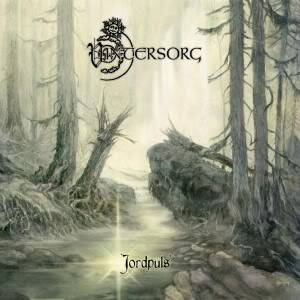
Vintersorg – Jordpuls:

I have no excuse as to why I slept on this in 2011. This is an incredibly enjoyable, and fun(!) to listen to album. I actually obtained it upon release, gave it a cursory listen and never went back to it again. This is strange behavior for me because I actually am quite the Vintersorg fan, and above all his projects his solo albums are the treats I crave the most. Looking back now, I suspect that perhaps my initial indifference to Jordpuls was silently informed by my disappointment with the last Borknagar release (in case you didn’t know, Andreas Hedlund aka Vintersorg handles their vocals). I rather enjoyed Vintersorg’s 2007 album, Solens Rötter  (“Roots of the Sun”), as it marked a return to Swedish lyrics and his Scandinavian folk influenced roots. This was a breath of fresh air after the utter proggy weirdness of the two albums that preceded it (good albums both, but bonkers weird). He sounded comfortable and at ease once again, the songs flowed better, and the shift towards simpler arrangements allowed his knack for excellent melodies to shine through again. It seems that with Jordpuls (“Pulse of the Earth”), he is building upon the foundations laid down with Solens Rötter and now has a better understanding of how to weave in the prog tendencies he loves in a more natural sounding way. I suppose this only makes sense if you understand what a jarring transition it was to listen to 1999’s Odenmarken’s Son, only to be greeted with the abrupt changes presented in its successors, 2000’s Cosmic Genesis, and 2002’s Visions From the Spiral Generator. Here’s hoping the upcoming Borknagar album can impress me just as much.


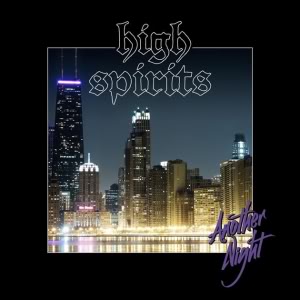
High Spirits – Another Night:

Thanks to Joseph Schafer from Invisible Oranges for this recommendation. What an awesome record. It reminds me of the Scorpions (yes goddammit that’s a great thing) mixed with a cornucopia of 70s and 80s guitar rock. Hell even the cover, with its  juxtaposition of classic looking band and album logos against a black framed scene of the Chicago cityscape at night, depicts the very scene I imagine when I hear the German legends’ “Big City Nights”. Apparently this is a one man project at its core, by a fellow named Chris Black who I’m led to believe handles all the instrumentation as well as vocal duties(?). Correct me if I’m wrong on that, but regardless, these are great songs played with a hard rock/metal spirit that seems to elude many of the new bands out there who are actively attempting to emulate the past. After reading Schafer’s write up of on Another Night and his earlier interview with Chris Black, I get the impression that this project exists for the simple reason that no one is making new music that sounds like this anymore. That’s a good enough reason as any to make a record that is more rockin’ (spelled as intended) than anything else I’ve heard in donkeys years. Good thing too, the mighty Scorpions are retiring soon, so someone needed to step up and continue to offer advice on what to do “when the daylight is falling down into the night”. You Tube “Full Power”, “Another Night in the City”, and “Do You Remember” — they’ll sell you on the record.

NPR and Pitchfork: Putting their Best Metal of 2011 lists in perspective

The generous view on year-end/best-of lists of bloggers or websites is that they are often an exercise in an earnest, optimistic type of narcissism. I’ve done one myself, so I’m not guiltless in that aspect — but I’ve begun to realize that most of the lists currently being published are also exercises in varying, and scalable degrees of exclusionism. I say this because in the past two years major non-metal/indie oriented media outlets have taken it upon themselves to declare to their reading audiences what is the Best Metal of the Year. I’m referring to websites such as NPR, Pitchfork Media, Spin, PopMatters, Stereogum, Noisecreep, Frontier Psychiatrist, etc (just do a google search for “Best Metal of 2011” where you’ll see a good portion of these on the first page of search results). There are countless other minor non-metal oriented blogs and sites that have their own list up as well, and they all pretty much loosely mirror one of the examples posted above.
 

This is a curiously new phenomenon: ten, seven, even six or five years ago you wouldn’t find non-metal/indie media daring to touch the very idea of the “best metal” released in those years. The cynic in me wants to ask, “Did the hipsters get tired of all the garage-rock bands ironically limping around Brooklyn?” That is mean spirited I know, but part of me does wonder, how long will this new found interest last? First let me offer this: I am not attempting to argue that these sites have no business publishing best of metal year end lists, nor am I attempting to critically analyze their selections. Each of the writers of these lists have their own tastes, preferences, and the right to promote them…but after mulling these lists over for a few weeks and listening to most of the albums on them, one thing has become very clear to me: The most popular of these lists are created by a handful of very prolific writers/bloggers, and the rest stem from the templates laid out by said writers. In particular, the highly read and discussed lists from NPR’s Lars Gotrich and Pitchfork/Stereogum’s Brandon Stosuy are parroted throughout the blogosphere. In deserving respect to these two writers, they both offer their opinions with interesting takes and lucid arguments. I enjoy reading their stuff, and dislike having to single them out — however due to their popularity, I feel they are liable to be held to a higher standard.


Without delving too deeply into Gotrich and Stosuy’s lists, the most obviously striking things about them both is that they tend to lean heavily on the new crop of post-black metal bands. There are occasional death metal albums sprinkled throughout, the odd doom record, and a good bit of math-metal (I hate that label but its what everyone uses). Okay fine, I actually like a few of their selections as well, but here’s a question: Aren’t we missing something in terms of various other styles of metal? You’ll notice that traditional metal and power metal are noticeably absent from these lists. Gotrich’s 2010 list was even more narrowed down to include ambient and noise records alongside new post-black metal releases. I have no problem with Agalloch’s excellent Marrow of the Spirit taking the number one spot, but where on the list were the then new and stunningly great albums by Blind Guardian and Accept? These were widely acknowledged as some of the most brilliant work by either band, and both came as surprises completely out of the blue. In his 2011 list, Gotrich misses out on the masterful Iconoclast by Symphony X, a ferocious album that has won them more believers than anything else in their catalog. How about the woefully underrated Faroese trad-meets-folk metallers Týr and their fantastic new record The Lay Of Thrym? I could go on and on, and apply the same misses to Stosuy’s lists for 2010 and 2011. (And while we’re on the subject of black metal, how do both of these guys miss Enslaved’s Axioma Ethica Odini as well as the 2011’s excellent Taake release Noregs Vaapen, and Burzum’s defiant, shifting Fallen?)


It should be all too clear by now that Gotrich and Stosuy do not like traditional or power metal at all. To such a degree that they will willingly ignore popular, widely lauded albums that fall into those styles. To each his own right? Yes. But here’s my problem: these are two very influential writers. Their opinions as mentioned before are parroted around the web, and frankly, that’s where a lot of this type of discussion takes place. What concerns me is that these lists are being trotted out for readers and listeners not already familiar with metal in general. What Gotrich and Stosuy present to these types of audiences is a mere sliver of the many styles of metal that are actually available out there. An NPR listener might actually be capable of being interested in metal that is delivered with a clean, melodic vocalist, or be able to enjoy a record that isn’t washed out in synths and shoegaze influences (cheap shot I know). There are plenty of bands who put out quality releases that this hypothetical person could enjoy, but they might never know about them.


It may only be semantics, but I’d feel a little less agitated about Gotrich’s list if it wasn’t simply titled “The Best Metal of 2011”. What should it be called? I don’t know exactly, perhaps throw in the word “extreme”, as in “The Best Extreme Metal of 2011”? That would at least be a little more adequately narrow, or at least less inaccurate. Perhaps I come across here as being far too judgmental, but this is what blogs are built for right? Someone could exasperatedly chime in at this point to say “Look, its just a goddamned list, get over it”. Well I also see it for being more than what a casual reader may take it as — and that is a concerted effort to make metal appealing to the indie and culturally hip audiences of NPR and Pitchfork. There is a trend developing within the ranks of American based non-metal media, as well as some metal based media outlets (I’m looking at you Decibel) to intellectualize a certain set of subgenres and plant their flags upon it as if to signal to hipsters everywhere, its okay to listen to this particular brand of metal. Any metal not within the confines of these designated genres is to be considered dumb, sophmoric, and dated music for neanderthals who wank about guitar solos, drink beer, and act like idiots at metal festivals like Wacken. Am I taking this a bit too far? Maybe… but deep down I suspect I’m right about the motivations here. I’d love for Gotrich and Stosuy to come on here to refute me and make me eat my words somehow. They’ll be sent links to this.


My accusations of blatant exclusionism against these two writers in particular is supported by the fact that there is a host of metal oriented websites and blogs, many of whom have been in operation for well over a decade, that offer completely different takes on what is the best metal of 2011. The fifteen year old web zine Metal Rules placed the aforementioned Accept and Blind Guardian albums at the top two positions of their 2010 list, respectively, and they have an even more varied and cross-subgenre based list for 2011. I may not find myself agreeing with many of the choices on their list, but I do appreciate the fact that it is coming from a website that reviews any and all subgenres within metal. Check out their reviews section and you’ll find that many of the bands on both the NPR and Pitchfork lists are reviewed in depth. There many other metal oriented sites out there that share a similar open minded viewpoint, such as the Angry Metal Guy, one of the best places to get informed opinions about metal across the board. Check out the tireless efforts of Stone at Metal Odyssey, the always unique takes of Dan DeLucie at Heavy Metal Power, and the often hilarious yet always informative work at Metal Sucks. Two Cleveland metal legends, Officer Metal and Doctor Metal, offer experienced, informed opinions about the more melodic side of metal through their excellent college radio shows the Metal Command, and the Metal Meltdown, respectively. There are so many more, too many to list actually, that offer wildly different takes that are often informed from a more centrist metalhead perspective. What is unfortunate is that none of them are as popular as NPR and Pitchfork.


It may sound as if I’m angry about all this stuff, well, not really. Disturbed yes, annoyed even more so because so many of the bands that I’ve enjoyed over the years fall into those categories that would not fit in with idea of metal that the non-metal oriented media wants to talk about. It affects me personally when these bands I love decide to pass on touring the United States due to lack of perceived popularity in our country. They can’t get decent press, record sales never grow adequately, and they decide to do the smart thing and stick to Europe, South America, and Japan for financial reasons. Some of the gutsier bands try their hand at building a niche fan base in the States, such as the Swedish power metallers Sabaton, who by this coming April will have passed through my city of Houston three times in one year(!). I’ve heard them speak with my own ears about the uncertainties of touring in the United States — they admit, they aren’t sure if they can pull it off half the time. A great, truly amazing band both live and on record like Sabaton gets no American press except from the depths of the metal underground, while hosts of tastemaker approved bands get viral online attention (a good many of which are studio projects, or bands that tour only in limited fashion). Something is wrong with this scenario, and its disappointing that nothing will change.


Two Fridays ago I enjoyed listening to the long running metal radio show Metal on Metal based out of Cleveland by another one of that city’s metal legends, Bill Peters. His end of the year list was created by requesting listeners’ votes for their top three choices of 2011. The list that was compiled was interesting to behold; over one thousand listeners contributed and the final two were neck and neck. It ultimately finished with Anvil’s 2011 release Juggernaut of Justice getting the top spot over Anthrax’s Worship Music. Not Blut Aus Nord, or Cormorant, nor (dear me) Liturgy — but Anvil and Anthrax. When we get lost in the myriad depths of blog comment fields and the hidden realms of web forum discussions, we often shutter ourselves away from the reality of what is actually happening in the world. This applies to metal, and to its appreciation as a form of topical discussion. As seen here in Metal on Metal’s listener compiled list, what large samples of metal fans are actually listening to is far removed from what sites like NPR and Pitchfork prescribe. With all due respect to the bodies of work and the talent of the artists on those lists, I can’t imagine the majority of them taking to the stage at the metal community’s international proving ground of Wacken Open Air. There really is a silent majority in metal. The audience for this type of music is massive, but the portion you see online is a small, fragmented mosaic. Tens of thousands of people bought the new Megadeth record in its first week of release — they did not look to the web for a recommendation.

Scroll to top