
As I’ve been sitting here pouring through the many legal documents made available to the public today regarding the Geoff Tate vs Queensryche legal battle extravaganza in preparation for a future article coming soon here on the blog, I was sent a link to a pretty fantastic article by Metal Hammer’s Tom Dare regarding the importance of mainstream metal. Its an extremely well written, straight to the point piece that in my opinion, seems to be targeted directly at the hordes of internet crybabies who expend an inordinate amount of energy decrying metal or hard rock bands who are either in the mainstream or on the cusp of breaking through into it. Its a must read, for anyone who loves rock or metal, as a reminder that nearly all of us started off with your Green Day, Metallica, Guns N Roses, (insert name of point of entry band here), and that sometimes we should keep our arrogant sneering in check. Its also a shot of knowledge to that certain type of rock/metal fan who stubbornly clings to the known and comfortable, the mainstream favorites, without daring to adventure further into more underground metal subgenres in search of inspiring artists and new sounds (I’m looking at you Eddie Trunk!).
Kamelot: The Legacy of Roy Khan
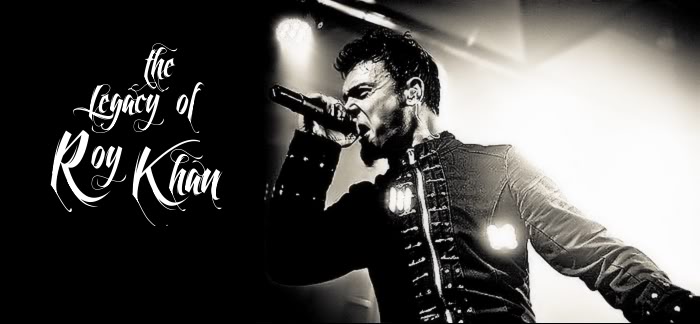
Timing can be a tricky thing. I had been thinking a lot about Kamelot recently, and the reality of their future without their now ex-vocalist, the mighty Roy Khan. I had to admit, as a fan of the band I’ve harbored worries —- the loss of a vocalist is a shakeup that few bands can endure with continued creative and commercial success and this is amplified in the case of the vocalist being very distinctive. So I had begun to write a piece on my doubts, and the reasons for them and had planned on it being published just before Kamelot announced their new vocalist. Of course, on the day I planned to publish, Kamelot lifted the curtains on the identity of Khan’s long speculated upon replacement: namely Seventh Wonder’s own Tommy Karevik. Well, I’m proud to say that I called it (among others certainly), Karevik had long been one of the candidates on most fans shortlists, he was certainly my favored choice and its not exactly a surprise that he’s been given the position. It makes sense, he seems to fit in with the band vocally, and he did fill in for Khan on select shows in 2010 to proven success. I feel a touch more confident with the band going forward with Karevik, in that they’ll be able to release something that is not a jarring stylistic departure due to a new vocalist being radically different (i.e. Blaze Bailey and The X Factor). My confidence is restrained however, by my speculation of the larger possibility that Kamelot’s future will be defined not by what they have gained, but by what they have lost.

Roy Khan’s emotive and expressive vocals are by this point well-known to most of the metal community at large. His smooth delivery, subtle accent, and near perfect inflection and timbre were one of Kamelot’s defining attributes during his tenure with the band. He wielded attributes rarely found in power metal vocalists: richness, texture, depth, and a touch of melancholy. Soon after being introduced to the band through their sixth album Epica, it became apparent to me that there was more to Kamelot than just a great voice; there was intelligent and articulate songwriting at the heart of their music. In this I saw the continuing evolution of a stylistic legacy that the once mighty Queensryche had long ago abandoned. Khan and band founder/guitarist Thomas Youngblood were to me the second coming of the untouchable Geoff Tate/Chris DeGarmo songwriting team that had penned so much of the classic music that I loved in the ‘Ryche. The jump in songwriting quality from Kamelot’s first two albums with original vocalist Mark Vanderbilt (as well as the first Khan vocal-helmed album Siége Perilous), to Khan’s songwriting debut in the masterful The Fourth Legacy was simply immeasurable. Soon after hearing more Khan-Youngblood classic albums such as Karma, and Epica sequel The Black Halo, the deficiencies of many other bands in the genre grew to disproportionate sizes in my eyes. Many of the power metal bands I was listening to in earnest prior to discovering Kamelot now seemed dramatically inferior in comparison; their lyrics trite, subject matter shallow, and musically lacking. I was finding it harder and harder to enjoy many of them to the degree that I once did. In my initiations with Kamelot’s discography, I discovered that Khan’s role as a songwriter and lyricist was a huge factor in the quantum leap that Kamelot took from being a Crimson Glory-soundalike to a truly remarkable, original, and fresh force in modern power metal.
Khan’s songwriting legacy within Kamelot is deep and full of nuance. By becoming Kamelot’s lyricist he brought to the songs a poet’s gift, the ability for the band’s songs to shine beyond the music. As for his newly found songwriting partner Thomas Youngblood, he pushed the guitarist to rethink and expand his vision of Kamelot’s sound, right down to fundamentals such as tempos and song structure. His talent for creating vocal melodies and imagining the surrounding harmony arrangements with all their intricacies and subtleties melded with Youngblood’s natural talent for cranking out melodic yet powerful and tastefully restrained riffage, and as a result pushed the guitarist’s budding creativity. Conversely, as seen on The Fourth Legacy album, Youngblood had a more straight ahead metal oriented songwriting approach than that of Tore Østby (Khan’s former Conception band mate and primary songwriter), and this urged Khan to get inventive in terms of how he’d develop and place vocal melodies, as well as adapt the phrasing of his smoother than most delivery to faster, heavier, more aggressively oriented metal. These results were often beautifully intricate, such as in the spectacular “Nights of Arabia” and “The Shadow of Uther”, where the verses and chorus feature alternating vocal tempos and styles to supreme dramatic effect. A further nod to creative expansion was introduced within the band’s repertoire in the form of spare, haunting, acoustic ballads. There Khan’s ability to carry a song’s melody on his vocal chords alone was put on full glorious display, as in “The Sailorman’s Hymn” and “Glory”, both moments where Khan’s lyrical storytelling abilities were allowed to blossom while Youngblood proved that he was as capable of delicate, spacious, finger-plucking as he was flashy, furious soloing. The two band mates meshed together on that album and challenged and improved each other, and it was only the beginning of a jaw dropping body of collaborative work.
I keep mentioning Khan’s superlative abilities as a lyricist, and in truth the quality of lyrics don’t seem to be something that most metal fans fixate upon in general for reasons that are easy enough to understand. Most average metal bands get by on rather clunky, clumsy, and often lazy lyrics that work in a utilitarian way at best, while the appreciation of the music itself takes center stage. With Kamelot, Khan’s crystal clear vocals placed up front in the mix naturally put the spotlight upon his lyrics and he connected to listeners with his innate ability to tell stories, create interesting narrative perspectives, and offer elegant poetic verse and inventive phrasing. I’m not the only one who noticed, on the Amazon.com page for the Epica album the prolific reviewer LordChimp wrote: “Khan — in addition to being a prime singer is an outstanding lyricist, full of evocative colors and depth and beautiful diction”. Well put, and he’s not the only one who’s noticed: Kamelot fans have been vocal about their appreciation not only for Khan’s poetic voice, but for his ability to craft detailed concept albums with intricately woven stories, and imaginative narrative perspectives —- and never having it sound forced, or crammed in just for the sake of fitting it all in somehow.
They’re referring to moments such as in the ballad “Wander”, where Khan paints a memory of a meeting between the concept album’s tragic protagonists in a setting that is depicted by simple, evocative phrases: “I recall one summers night / Within the month of June / Flowers in mahogany hair / And smell of earth in bloom”. The disconsolate narrator reflects upon the bittersweet agony of this memory in the gently soaring chorus, “Silently we wander / Into this void of consequence / My shade will always haunt her / But she will be my guiding light”. Those last two poignant lines, juxtaposition the path of the two protagonists lives in a starkly elegant manner, and serve as foreshadowing within the greater context of Epica’s Faustian storyline. In the album’s watershed song “Lost and Damned”, Khan twists and bends the verse lyrics to fit over accordion, piano and strings played in loose waltz-like rhythms only to dramatically plunge headlong into one of the band’s most bracing, urgent choruses. The lyrics deliver an appreciable musing on the workings of fate without having to clonk us on the head and actually use the terms fate, or destiny: “Don’t ask why / Don’t be sad / Sometimes we all must alter paths we planned / Only try — Understand / I want to save you / From the Lost and Damned”. Against the Faustian backdrop of the Epica storyline, this song is not only a pivotal moment of action for the album’s protagonist, Ariel, but a brilliantly executed set piece within the story. It is literally Ariel standing in front of the object of his affection, as she weeps, speaking the lyrics out to her, and we know this simply due to Khan deftly penning “Helena don’t you cry / Believe me; I do this for you / Heed my decision now / I will be gone tomorrow noon”. I could sit here listing countless other examples of similar literary devices and dramatic technique found within Khan’s lyrics across his entire spectrum of work with the band, but it’d take forever and this isn’t meant to be a literature lecture —- just one fan’s passion about what the guy brought to metal.
When Steph Perry of Rocknotes interviewed Khan back in 2009, she mentioned to him “In the song “Temples Of Gold”, there’s the lyric “little did we know that they were life itself, the days passing by”. That’s just pure poetry. You don’t even need a song behind it“. Khan responded,
“The lyrics have always been really important to me. There’s so many bands that, I don’t know how they feel about it themselves of course but there’s a lot of bands that I feel don’t put enough into the lyrics. They focus on the music and song and everything’s great but the lyrics seem to be lacking something. There’s other bands that have brilliant lyrics too and much better lyrics for that matter. In our genre I feel there’s a lot of lyrics that definitely could have been more worked on let’s put it that way. I guess it’s just that I like to play with words, I like to say things in ways that make people stop and think. It’s very important to me. I really like writing lyrics. It doesn’t always take that long though, even though people may think that [laughs].“
His comments regarding his dedication to his craft speak volumes, and he is diplomatic about his perceptions of the lyrics found in other bands’ work, particularly within similar genres —- perhaps too diplomatic. He schooled them all, and ruined Stratovarius for me (sorry Kotipelto!). I consider Khan’s role in Kamelot as vitally important, he was half of the driving force that helped to shape the sound, style, and vision of the band’s work. Their last two albums, Ghost Opera and Poetry for the Poisoned, while not on the same peerless level as their conceptual predecessors, were still packed with memorable songs of sweeping drama, and Khan’s trademark ear for vocal melody and unforgettable lyrics. He never dropped the ball in that regard; where it counted for artistry’s sake, in the studio and forever documented on record.

Unfortunately he seemed to struggle with the toll a punishing live schedule was taking on his vocal chords as well as the effects of age (older songs had been noticeably tuned down live to compensate for his diminishing range), and performances had been slightly spotty in his last few years on the road. He seemed to be making a resurgence in the spring/summer of 2010, where his documented live appearances sounded fresh and revitalized, but soon after the hammer was dropped: Khan went on hiatus, citing burnout and exhaustion, and a little over six months later his statement confirming his resignation was officially released. By this point, the stunning shock had worn off and it didn’t come as a surprise, just a profoundly depressing acceptance. There was a curious footnote to that statement,
“I am eternally thankful for everything you and KAMELOT have given me and equally sorry that it has to end here. The good news is; God was there after all…” – Roy Khan
Many of Kamelot’s songs dealt thematically with universal themes such as love, death, hope, despair, and faith —- in particular the loss and search for faith. Its been interesting as a fan to go back through the albums, and see that particular theme crop up over and over, in a way that I had not noticed before. No one will ever accuse Kamelot of being a religious band, certainly not a Christian band, but it does seem that Khan was quietly embedding a great deal of his personal struggles into his lyrics, even on up to his final album with them, as seen in “Once Upon a Time”: “I won’t stay to stand in line / Or wait for God to shine all over me / I wait for the storm”. His former band mate Youngblood was unable to adequately explain his former singer’s religious awakening, but did credit it with leading the singer down his path to leaving Kamelot. In a recent Q&A by the guitarist on the band’s Facebook page, he unloaded a stunner about Khan’s present activities: “Before making the final choice on the new singer, we did correspond via email. I know he’s in good health, working in Norway. When he quit Kamelot he also chose to quit the music business and seems to be very happy.” Never say never, but that sounds to me like the end of a music career, and while I suppose I’m glad the guy is apparently happy, I find it tragic in the sense that he still has a world of talent that will potentially remain untapped. I was at least hoping for a Conception reunion, a solo album, a guest appearance, anything! Sadly, its a quiet end to a deafening career.

Some Kamelot fans grew nervous (and some irate) that Fabio Leone, the band’s choice as a long term touring fill-in could even be considered as Khan’s replacement, and while I admired the guy’s effort when I caught the band live, I quietly agreed with them. Enter Tommy Karevik. I’ve been listening to The Great Escape by Karevik’s previous (and apparently still current) band Seventh Wonder. It and its immediate predecessor Mercy Falls have been striking a chord with me that I’ve been unable to get from them in the past. I’m not sure why, maybe its my subconscious projecting its hopes about a Karevik-fronted Kamelot that’s doing it… regardless, I’m enjoying them, though not loving them. Karevik was apparently chosen on the grounds that he is also a primary songwriter for Seventh Wonder, and a lyricist as well. While I can see some skill in his lyric writing in these songs, its a far cry from the sheer quality that Kamelot fans are used to, or at least this one anyway. He has a pretty good voice, and as I mentioned before, his takes on Kamelot songs when filling in for Khan live were strong. Its unfair to compare him to Roy but to be frank about it, he has huge shoes to fill. A great, passionate new album that showcases his writing abilities in a way that pushes Kamelot forward is the only way to step out of Khan’s immense shadow. I hope he and the guys pull it off, I don’t want my admiration for the band to diminish, and as for Roy Khan himself, I hope he makes a return to music, in any form. If he doesn’t, I’m glad I got to see him live, and glad that he stuck around long enough to build what can rightly be called a legacy.
Its Report Card Time: New Sabaton, Kreator, Sonata Arctica and more!

Here at The Metal Pigeon I’ll review new albums that I personally take an interest in, and if you’ve read any of them you’ll notice that I don’t favor utilizing a numerical point system to determine its worth. I guess I worry that I’ll be tempted to ease up on the damage I dish out through a number to a band that I traditionally like — if say their new album is mediocre. By forcing myself to stick to a written explanation of an album’s merits and demerits, I can at least keep myself honest. But it struck me that I had a ton of new albums that I had just finished listening through at the same time that most school terms are ending for the summer – and inspiration struck! Its report card time, and The Metal Pigeon is out to see who has and hasn’t made the grade!
 Sabaton – Carolus Rex:
This is without exaggeration Sabaton’s best work, topping their former pinnacle in 2008’s The Art of War through an excellently framed concept, tremendously inspired songwriting, a greater emphasis on guitarwork (no longer taking a backseat to the keyboards), and a fully realized orchestral and choir arrangement that gives these songs about great Swedish kings and battles the sound of the regal, the austere, and of course, the fury, futility, and glory of battle. Obtaining Peter Tatgren’s services for the production of the entire album (not just the mixing as before) seems to have resulted in a work that is very much woven together, a collection of songs that are bound by a shared sonic palette. Sabaton’s traditionally metallic, somewhat mechanized style is merged with symphonic power metal-esque arrangements that are normally found on albums by Kamelot or Rhapsody of Fire. Songs like “Killing Ground” and “Poltava” are classic galloping Sabaton, with smart songwriting, clever twists and of course, great riffing and guitar melodies. “The Carolean’s Prayer” is a far more ambitious attempt at an epic than these guys have ever tried before, and they pull it off incredibly well – with a mid-song shift in direction that mixes in to supreme dramatic effect choral vocals sung in Swedish (taken of course from the alternate Swedish version of this album).
Speaking of the Swedish language version, while I have no reason to doubt the opinion of the Angry Metal Guy who being a Swede has excellent insight when comparing the two versions of this album, I must say, for my tastes the English lyrics on offer here are some of Sabaton’s finest. Take for example the very metal and adrenaline raising chorus of “Carolus Rex”, which is from the perspective of the young King Charles XII, in which he declares “I was chosen by heaven! Say my name when you pray – to the skies! See Carolus rise!” In one fell swoop singer/primary songwriter Joakim Brodén manages to convey to us listeners just how goddamned crazy old Charles really was (I recommend doing a little history reading online, seriously the guy was a nutter), yet at the same time, bold, brash, confident, and brilliant enough to lead Sweden to superpower status. Yes I know I’m geek about lyrics, but bravado is such an overdone and often ineffective lyrical slant within metal that when you hear it being tackled in a new and fresh way that is backed up and framed by history – its damn riveting, hair raising stuff!
In a recent interview with The Gauntlet, Brodén admitted that the Swedish version of the album was filled with far more subtlety and nuance than the English version, and that even narrative perspectives had to be changed in translation for certain songs (see the previously linked Angry Metal Guy’s review for a far more detailed explanation). That being the case however, well us non-Swedes can only enjoy what we can hear, and while the Swedish version is a nice bonus, its only just that, and I’m here to tell you that the English version of this album delivers a gripping, and powerful narrative of the rise and fall of the Stormaktstiden. Sabaton’s tight musicianship, sharp, smart songwriting courtesy of uniquely baritone voiced singer/primary songwriter Joakim Brodén are the obvious keys to their success, their quiet strength has been Brodén’s superior abilities as a lyricist who understands the nuances of language and displays a mastery of diction and storytelling to achieve pulse raising emotional impacts.
 Sonata Arctica – Stones Grow Her Name:
It could have worse, far, far worse for Sonata Arctica. If I had written this article say a scant few weeks ago I would’ve graded this as an F. Such is the sheer bizarreness of some of the material on display here, its nagging presence threatening to drown the whole album in an ocean of negative sentiment and resentment. But thanks to the passage of time and some stout-hearted listening sessions, the cream of the album rose to the top and I found some reasons to have hope for this band, in addition to dishing out a barely passing grade. To be honest, I’m not sure what’s happened to these guys over the past few years, for although I’ve been checking out each new release I haven’t kept up with any interviews or the reasons for their seemingly numerous multitude of lineup changes. I guess the latter doesn’t matter much if Tony Kakko is still the primary songwriter, but one has to wonder when listening to some of this album’s most dire moments if he’s lost his focus. The bands first three albums up through about half of their fourth (Reckoning Night) were back to back classics, with nary a filler track in sight and despite the presence of ever cringe worthy spoken dialogue (seriously, they need to stop with that stuff). Their successive albums each would have a few truly excellent gems amidst a bed of mediocre filler, and I think for my part, and I’m sure many other fellow longtime admirers, we were inclined to give the band a pass simply because of what they had proved to be capable of in the past. The Metallica syndrome then. I won’t spend time here discussing the terrible stuff on offer here, there’s plenty of it as well as a few mediocre filler tracks as well, but I’ll gladly point out the gems worth seeking out on ITunes or some other legit download service, they are songs worth paying for. Namely, “Only the Broken Hearts (Make You Beautiful)” and lead off single “I Have a Right” both shimmer with classic Kakko melodies and thoughtful, always unabashed lyrics. Grab them and load them up alongside the rest of their classics.
 Kreator – Phantom Antichrist:
In what is a solid contender for the album of the year spot, Kreator have done something with Phantom Antichrist that seems to elude many a veteran band — that is, to find a way back to the authenticity of your original sound and spirit by focusing on the strengths of your classic sound while folding in fresh new ideas that not only complement but enhance that sound. The past few records have been respectable, but not remarkable, but in retrospect you can regard them as building blocks away from their misguided batch of records in mid to late nineties. This album makes such a profound impact that you’re hard pressed not to view the past few Kreator records as tests and trial runs for the supreme masterwork delivered here. These are not just solid songs, they are heart-stoppingly great at their best and adrenaline inducing the rest of the time. Here songwriter and vocalist Mille Petrozza aims to infuse a healthy dose of Gothenburg-esque melodicism into Kreator’s thrash metal attack and build the songs around this newfound element to jawdropping effect. The melodies aren’t run of the mill Gothenburg-isms either, but fresh and inspired in their own right, and they only serve to enhance the impact of Kreator’s trademark brutality by emphasizing memorability and catchiness. Those seeking a repeat of Pleasure to Kill will not get what they want, but an open mind will allow those expectations to be brushed away upon the hearing the grin inducing chorus of the album opener and title track. There are too many highlights here to adequately list: the blistering “Death to the World”, the quiet to loud explosion found within “Your Heaven, My Hell”, and of course the classic sounding title track just to name the obvious highlights. Someone get copies of this to everyone in the “Big Four”.
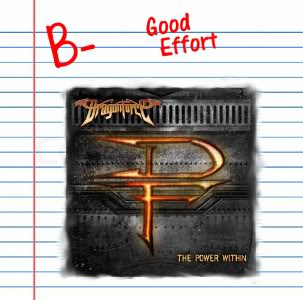 Dragonforce – The Power Within:
If you’re a fan of these guys, full time or part time, then I have some good and relieving news for you. They’re gonna be fine with the new guy. More than fine really. Yes, this is the same meticulously produced, shimmering, hyper-actively fast, guitar melody driven “extreme power metal” that they have won a reputation for and it would have been folly to think that an element as relatively decentralized as the vocals would beggar changes to that formula. Except that, in a promising way, they’ve managed to introduce some new elements into their typical formula, and those are best seen in the singles “Cry Thunder”, and “Seasons”. Its amusing that something as simple as slowing down the tempo a bit and focusing more on allowing good riffs space to breath could inject such a freshness to the typical Dragonforce sound. “Cry Thunder” builds from rock steady riffage to a swelling bridge, whereupon new vocalist Marc Hudson finally breaks free of the guitars in an uplifting chorus. On “Seasons” he takes center stage and the guitars work around his key lead vocal, which yes I know doesn’t exactly sound revolutionary, but for these guys its certainly different. It works, in part due to a catchy as hell chorus, but also in large part to the fact that the slower tempo-ed breathable verse structures with guitars in a supporting role really enhance the rock n’ roll feel going on (read: less clinical sounding). The fact that they throw in an acoustic version of this song as a bonus track and it actually sounds just as great stripped down is proof that if these guys continue in this less maniacal direction, their songwriting is bound to benefit. There’s nothing wrong with their fast style, its just that flurries of notes compacted together at unmeasurable BPMs was all they were doing for awhile. I’m enjoying this album in a casual way, its good summer music, and while it doesn’t touch the audacious brilliance of their 2002 classic Sonic Firestorm, its a good start in what I hope will be a further investigated new direction.
 Grand Magus – The Hunt:
Hell yeah! Was my reaction upon first hearing the title track of this album played on a favorite metal radio show. Long have I been exposed to Grand Magus and time and time again it just didn’t sink in for me, but this song made me seek this record out in its entirety. And like a hammer slamming a nail through cheap balsa wood, Grand Magus has finally lodged itself in my mind as the awesome musical entity I’ve long suspected they are. I’m successfully enjoying their previous release lately as well, proceeding to work my way backwards through their discography. Every single song on this record is compelling, addictive, and plain rockin’ — in that excellent-for-driving around under the blazing Texas sun whilst nodding, headbanging, and hitting air cymbals way. I’m sure the following statements will raise the eyebrows of any who are already familiar with these guys, but the most apt comparison I can make for this three piece Swedish group is that they’re like a dirtier, grittier, doomier, more rock n’roll infused Falconer. The comparison to their fellow Swedes is not only relegated to the music, for vocalist Janne “JB” Christoffersson is similar in approach to Falconer’s Mathias Blad — they both sing in a mid-range delivery with a few exceptions, they both favor a far more restrained approach (no wild Kiske-esque screams to be found here), and generally speaking they have a similar timbre to their voice and accent. I’m firmly calling this a good thing by the way, so if you’re one of those unfortunate folks who can’t enjoy Mathias Blad led Falconer, don’t let the comparison turn you off. Christoffersson’s vocals are sandpaper smooth, and his timing, phrasing, and lyrics are a perfect complement to Grand Magus’ unique mix of power metal musicality and doom metal informed pacing. It seems on this new record they’ve taken an extra step away from their doom metal influences and have embraced the sounds of traditional American hard rock a bit more — an approach that recalls to mind the best of Dio’s mid 80’s solo work. Oh yeah, the album also has some of the most badassed cover art seen in awhile. This album has already been on heavy rotation, and I’m positive I’ll be listening to it all summer long. Gotta love it when a band finally clicks for you, and the records that do it are usually pretty special. The Hunt definitely is.
 Burzum – Umskiptar:
This is depressing. After two ferocious, forward looking, and downright inspired post-prison albums (Belus and Fallen), Varg commits the inexcusable sin of simply boring us to sleep. Seriously, I fucking fell asleep listening to this. And many rounds of periodic repeat listens haven’t changed my mind, on the contrary, I’ve begun to dread those moments where I decide: “okay time to man up and give it another shot”. Forget it, I’m done. Things were promising in the early going — I had first heard what most folks had heard with the leak of the album’s first track proper, “Jóln (Deities)”, to YouTube and figured that we’d be in for something akin to Fallen part two. It suffices to say that the song serves as the albums only highlight (barely). The rest is an unsorted mess of murky, formless, meandering sonic textures and plodding guitars. Any riffs are few and far between, and to make matters worse, the latter third of the album is a delightful soup of spoken word and atmospherics. Appetizing for sure! There’s a cool moment at the very start of “Alfadanz” with an eerie tinkling piano and a guitar riff that mimics it, but sadly the track proceeds to limp along shortly afterwards, almost stubbornly refusing any injections of energy or excitement. Its all a damn shame too because he was riding on a stream of creative momentum and stretching the boundaries of what was possible for Burzum in a musical context. He overreaches here, and we all suffer for it.
I’ll get to work, after one more episode…

If you hadn’t noticed, I’ve been absent from posting anything new for almost a whole month here. And while I’m grateful for the couple of emails I received from a few folks asking me why the hell I’ve been lollygagging(!) around and not updating, I must confess: I needed a break. Not that this blog’s output has been particularly prolific, as I’ll always favor quality over quantity, longer more in-depth writing rather than short bursts of message board quality troll like commentary, nevertheless I was starting to feel like I needed some time to catch up on the rapidly piling up stack of new music I hadn’t properly digested yet. I was still listening to metal during the last month, but doing so freely, as opposed to the schedule laid out by various album release dates. There was a lot of revisiting an individual artist’s back catalog, checking out releases from bands I had stopped paying attention to for the past few years to see what they’ve been up to, as well as just deciding to listen to some personally designated classic albums — there was a lot of repeat listens to Therion’s Symphony Masses for example.
In addition to all that, I just felt the urge to indulge in some interests away from metal for a little bit. Its something that I think a lot of us who write about music or various other topics go through every now and then but keep to ourselves. But the reality is that sometimes you just need to spend a few days in a row crashing on the couch after work to watch yet another complete season of Mi-5 on Netflix, catch up on 360 games, or just tune everything out and read a book. I think I’ve spent an unreasonable amount of time in the past feeling privately ashamed that I’ll occasionally wake up with Good Morning America or NPR instead of (insert thrash/death/black metal classic here), but I’ve gotten older to such a point where that kind of thinking is uncomfortably childish. Perhaps it is simply growing into adulthood, but I’d like to think that my lack of one hundred percent focus on all things metal is far more beneficial than not. I’m sure this concept isn’t exactly a revelation to many of you, but it has been to me over the past few years, and its taken time to adjust. When I decided to author a metal blog, I knew going in that things would get difficult when I hit these speed bumps, but I think that going forward I finally have an idea of how to creatively embrace those brief lapses in metal concentration for the purposes of this blog.
With that being said, its about to pass a half a year since I first launched, and I’d like to take a moment to thank those of you who have been reading (or at least subscribing and ignoring – I’ll take it!). I’ve already had far more viewership than I could have possibly imagined at such an early stage, and hope to continue to build on that in the months and years to come. Here’s whats coming up this week and beyond:
- A comprehensive look back at the past month of new releases by Sabaton, Dragonforce, Sonata Arctica, Grand Magus, Kreator, and Burzum.
- I’ll ponder the potential of a Roy Khan-less Kamelot, examine just how vital his role was in the band’s artistic successes, and discuss how he will be extremely difficult, and perhaps near impossible to replace.
- Crazy from the Heat! Metal and the arrival of summer.

Es lebe Deutschen heavy metal! Neue alben von Accept und Running Wild!
April’s been delivering metal in loads with new Rage, Unisonic, and Dragonforce (more on that soon!), and continues its deluge with two new trad metal albums from German legends Accept and Running Wild. I’ve been listening to them periodically for a few weeks here and am ready to dish out some verdicts! Alle von euch metalheads, Achtung!
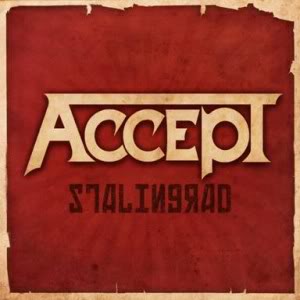 Accept – Stalingrad:
I was a late believer to Accept Mach II. No Udo? Ok whatever. What a fool I was, and my dismissive brushing off was abruptly and forcefully corrected upon my first listen to 2010’s relentless Blood of the Nations – an album that not only took Accept to new crushing sonic territory thanks to the production work of Andy Sneap, but was actually able to out heavy most extreme metal records released that year. I love that album from start to finish, and when I saw them live in the summer of 2011 in the dark, sweaty confines of Houston’s Scout Bar, I loved it even more. Accept with Mark Tornillo doing old and new Accept music live simply busted me to the floor and I wondered how they’d possibly manage to do something to top all of this. Well, in terms of their next studio recording, the answer is I guess, that they can’t. Its even understandable in someway, inevitable perhaps, and we can look back on the Blood of the Nations album/tour cycle as a truly special moment for the band – a once in a career watershed.
Its not all bad, Stalingrad is actually a pretty decent record, some filler notwithstanding, but that in itself is what makes it a slight disappointment. Its predecessor was front to back excellent, no filler, even the well placed middle of the album ballad was artfully done. It was a reinvigorated, re-energized Accept serving up the best of Wolf Hoffmann’s stockpiled riffs and going … erm, balls to the walls if you know what I mean. Here, I find myself struggling to maintain interest through a couple songs, and I keep playing them in hopes that they’ll grow on me, but at this point I think that they could have left off “The Galley”, and “Flash to Bang Time” and made the overall album stronger as a result. Whats positive on offer here is quite excellent, particularly the stately paced, soulful “Twist of Fate”, the hammering opener (and charmingly titled) “Hung Drawn and Quartered”, and my personal favorite, the epic march of “Shadow Soldiers”, which seems to look to the Scorpions and their 2010 North American tourmates Sabaton as musical and lyrical touchstones respectively. The Sabaton comparison is particularly apt when you consider the head scratching title of the new album —- it seems like something that those war obsessed Swedes would tackle.
This is neither a conceptual nor thematic album, and apart from two songs including the title track, the centrality of Stalingrad as an album title is left as a bit of a mystery. Some special kudos need to be given to Mark Tornillo, he completely owns the vocal role in this band now, and frankly, sounds a hell of a lot better than even Udo at his prime. His ability to shift from raw, throat scraping metal screams to bluesy, soulful, impassioned Coverdale-esque vocals while not losing an ounce of richness and texture is flat out astounding for someone who’s been on stage for as long as he has. Precious few others share that same ability. In conclusion, a solid, above average effort from a band on its second lease in career life, but nothing as earthshaking as its mighty predecessor. Check that one out if you haven’t already, then grab this to supplement.
 Running Wild – Shadowmaker:
Here’s a surprise. It was pretty much taken as a given that Rock’n’Rolf’s decision to weigh anchor on Running Wild’s career in 2009 was long overdue. The decade prior was characterized by a continuous streak of mediocre albums, capped by the truly uninspired, awful, and unfortunately titled “Rogues in Vogue” in 2005. The band’s finale concert at Wacken Open Air was recorded and released as a DVD, and it seemed a fairly respectable way to go out – on home soil at the greatest metal festival in the world and giving the fans the favorites they wanted. So regardless of the reason why he decided to resurrect the band (with merely two members this time), the time off seems to have done him a world of good, allowing him to perhaps gain from his separation from life as a touring/recording musician.
With Shadowmaker, Running Wild sounds revitalized and refreshed both sonically and musically. Gone are the muddy, compressed, and dated sounds of the past few albums, and in its place is an approach that is startlingly stripped down – more geared for old school Thin Lizzy-esque hard rock than anything remotely German metal related. I’m not only referring to sonics and production, but in the fundamental songwriting as well. The songs are simple, relaxed, and built on sturdy yet catchy rock riffs, solid melodies, mid-tempo rhythms, and far more clearer vocals than ever heard before on any Running Wild album. This is actually really fun stuff, no brainer, memorable hard rock with only a sprinkling of the band’s traditional pirate themed lyrics, and it invokes the best aspects of classic AC/DC, Accept and the aforementioned Thin Lizzy. Album starter “Piece of the Action” boasts a rockin’ series of riffs that lead into an almost Saxon-esque chorus, while “Into the Black” features an excellent laid back riffing juxtaposed with ominous melodic overtones. “Dracula” is the only track that approaches metal like speed and intensity, with double kick and intense riffage enjoyable enough to make you forget about the ham-fisted lyrics.
The criticisms that I’ve seen of this album from some Running Wild purists who are screaming foul about the change in musical direction are most often geared towards a track called “Me and the Boys”, a cheeky self-serving rally cry that is at least in my minority opinion the best track on the album. I’ve read descriptions of this track being cock-rock-esque, and sure, that may be an apt description, but its only one track, and a welcome change of pace during the middle of the album. Corny lyrics yes I agree, but I can’t help but grin when listening to it, even singing along to its rollicking refrain, the last line of which goes “Cause rock n’ roll is our choice”. Ouch. Well lets not start comparing Rolf Kasparek to Bob Dylan, lyrics on Running Wild albums are best taken lightly or literally, sometimes both. Running Wild has not sounded this vital in a long time, and this may be the biggest surprise of the year – perhaps not the equivalent of Accept’s post-reunion impact but definitely noteworthy of its own accord. And as Rolf sings “Just another night / We are Running Wild”, its great to have them back.
April Power Metal Showers: New albums by Rage, Pharaoh, and Kiske-Hansen reunion Unisonic
After a rather slow opening to 2012 metal wise, things are starting to pick up here at the dawn of spring with a flurry of relatively new releases that I’ve been listening to in random fashion for the past few weeks. I have quite a few on my list that I want to devote individual reviews to and will be in the coming weeks, and surprisingly the most noticeable genre being represented amongst these new releases is power and trad metal. So to get a jump on the ever-growing stack of albums that will need reviewing, I’m presenting my opinions on three selections from the aforementioned genres in one go – starting with the seemingly eternal German trad/power metal vets in Rage:
 Rage – 21: Look, if you know about Rage, then you should already understand what to expect from a new album by them, Accept-like German teutonic heavy metal meets Megadeth-ish thrash and speed, stuff your experimental sounds and modern influences nonsense. There’s been a few things here and there with symphonies, some detailed progression within albums that would only be noticeable to die-hards, but one the whole, Rage delivers meat and potatoes German heavy metal on a rather consistent basis. Unfortunately, one of the side effects of such reliability in the metal world is that unless your band features a true gem of a songwriter/songwriting team, you’re going to end up delivering way more average to good albums, rather than great ones. I’ve always wanted to love Rage, and I check out each new album in hopes that they deliver a knock out like they almost did with 2002’s Unity – and this might be the closest they’ve come since then. Their newest, 21, is a good, not great record, but it does have a pair of truly great metal anthems that are worth talking about: namely the slow burning “Feel My Pain” and the truly stellar masterpiece “Forever Dead”, which by itself is going to be responsible for my including a top ten songs list alongside the albums list at the end of this year. What a track, check it out here:
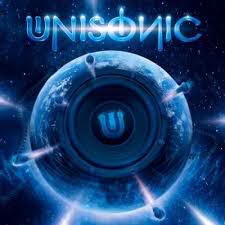
Unisonic – Unisonic:
The long hoped for reunion of two power metal icons, Michael Kiske and Kai Hansen – I think we all figured that either it’d end up as a Helloween reunion tour cash grab or never at all. However fate or Tobias Sammet, you pick, intervened and brought these two together on stages across the world during Avantasia’s short run of tourdates during December of 2010. Their rekindled musical union took a further turn upon Kiske inviting Hansen to join him in his newly forming band Unisonic. Just a brief warning, the end result isn’t Keeper-era Helloween, or even remotely close to anything resembling the classic power metal archetype these guys helped to create. What you get is a record full of brightly produced, melody heavy, catchy guitar rock with Kiske’s smooth vocal delivery at the forefront that overall most vividly invokes the better parts of Van Hagar with some Scorpions, Styx, and general AOR stylings. Here’s the thing with this album, some people might be disappointed because they had differing expectations, but for anyone who goes in with an open mind and a general appreciation for good hard rock with a bit of a positive slant to it will be greatly rewarded. I really am enjoying this record, its nothing earth shattering, but its a great listen when you’re in the mood for something easy, ultra-melodic, catchy and dare I say it, happy sounding. The real highlights here are “I’ve Tried” and “Never Change Me”, the former a moody, shifting song with a panoramic chorus that only Kiske could deliver; while the latter features one of the most compulsively catchy melodic hooks you’ll hear all year. Another one to YouTube up is “Never Too Late”, which features a Green Day-ish pop-punky vibe to it which is alarming at first listen but not distasteful in the slightest. Honestly, I’m surprised at my reaction to this album, I didn’t think much of it upon my initial listening experience but it has rapidly grown on me.
 Pharaoh – Bury the Light:
I’ve been vaguely aware of the name Pharaoh over the years, but it was one of those things that I just saw in passing and never bothered to investigate. Finally I heard a track of this newly released album on a favorite metal radio show and my jaw dropped. These guys do a blend of old school styled NWOBHM meets darkened trad metal, and yet avoid taking the cliche filled routes by the numerous crop of current retro-styled bands popping up everywhere. You get the feeling when listening to Bury the Light that this is the only metal these guys could, and would want to play. Strong hints of Metal Church, classic Metallica, and particularly classic Savatage abound, the latter most noticeable because the vocalist during high notes is a dead ringer for Jon Oliva. That’s fine by me, its nice to have a modern band around that draws serious influence from one of trad metal’s great yet often forgotten giants – long overdue really. Its hard to single out highlights because I find myself content to simply let this play from start to finish, but upon closer inspection I’ll spotlight for YouTube look-up purposes the dramatic building up found in “The Spider’s Thread”, where the finale section of the song delivers a payoff that touches the very nature of what I love about metal. The longest track on the record, “The Year of the Blizzard” manages to justify being the epic of the album by featuring some very old school flourishes: mellow acoustic sections, twisting guitar harmony-led passages over tortured Oliva-esque vocals all while still managing to deliver precision thrash. “Cry” even has some moments that echo the best of classic Blind Guardian without sounding anything remotely like the German legends – and if you’re thinking that all these references to other bands makes Pharaoh seem a bit unoriginal, I feel it necessary to justify the comparisons by emphasizing just how truly fresh this album feels, and to simply let the comparisons give you an idea of what traditions this band seems to be drawing from. Sure its not reinventing the wheel, but well written and inspired metal doesn’t need to. Its hard to not see this album being in my top ten list at the end of the year.
[youtube https://www.youtube.com/watch?v=8Otj5dZOz0s&w=560&h=315]
Borknagar – Urd: Gritty, Earthy, Epic

The first thing that popped in my mind upon listening to Borknagar’s newly released Urd was “where the hell has this Borknagar been for the past few albums?”. The last album by them that I truly enjoyed in its entirety was 2001’s fierce astral black metal masterpiece Empiricism, it was a precision blending of sharp, blackened riffs, thoughtful clean vocal melodies, and the strong keyboard driven atmospherics that have become their trademark. But the follow up albums seemed to forget the recipe to this formula; 2004’s Epic was a spotty affair, and 2010’s Universal was… I hate to say it, somewhat boring – barring a few songs that had some semblance of memorability. The stopgap all acoustic album, 2006’s Origins, was an interesting idea, and I so wanted to enjoy its execution, but sadly I found it lacking in strong songwriting and melodies. It seemed throughout this period that the band was inclined towards inheriting the proggy soundscapes of vocalist Vintersorg’s solo albums (of which I am a fan), but were unable to reconcile them with their traditionally earthy black metal foundations, often resulting in songs with overblown keyboard weirdness, lack of memorable melodies, and songwriting that wandered all over the place and could not keep its focus.

What Borknagar has done with Urd then, is a thorough addressing of all those deficiencies. This is a stunningly great record, devoid of filler tracks, and containing the most emotive and powerful songwriting of the band’s career to date. The keys here are in their efforts to refine and simplify their songwriting, as well as using a light touch when it comes to keyboard and studio engineered atmospherics. There seems to be a conscious effort to create strong, memorable melodies and revisit them in creative ways throughout the song without having to fall back on a standard verse-chorus-verse format — in a way they work more as motifs than hooks. In keeping with the title of the album, the sound here is grounded in a grittier, earthier style that seems more conducive in invoking imagery of the natural world. I always respected the band’s interest in cosmology, physics, and all other things science — but after four albums in a row of it, and its corresponding influence on their sound at the time, a change was direly needed. The stronger emphasis on clean vocals here is unexpected, but its the distribution of vocal talent throughout the record that is a greater surprise, as its not just the Mr. V show anymore but what appears to be a full on divvying up of the lead vocal duties between Vintersorg, ICS Vortex, and Lars Nedland, all of whom have a particular distinction to their vocal character.
There is nary a dip in momentum from start to finish, and the band should be commended for good decisions in track sequencing. There are a few highlights that stand above the rest however, beginning with “Roots”, one of the heaviest tracks on offer and perhaps the catchiest. The brief shift away from its fantastic chorus to launch into the epic of rush of speed metal drumming and classic tremolo sweeping riffs laid under chanting vocals at the 2:45 mark is so damn compelling you’ll find yourself rewinding to it over and over again. The epic on the album (not only in length) is the complex “The Winter Eclipse”, which juxtaposes crushingly heavy riffs and searing harsh-grim vocals by Vintersorg against all three vocalists joining in with clean vocal harmonization on the chorus. The absolute standout however has to be “The Earthling”, where the initial slow tempos and ethereal chanting give way to a furious blast of black metal fury that alternates with almost swinging guitar melodies — this all works its way up to a grand, sweeping finish at the 5:59 mark that is such a satisfyingly climactic payoff, its no wonder they decided to only include this part once and as a finale at that (I feel a lesser band would have employed it as a chorus).
This is the biggest surprise of the year so far, and a strong contender for album of the year. I’m happy I’m enjoying this so much and not ho-huming about it like the past few albums. Welcome back Borknagar.
In Flames: What was new is now old again

Clayman and my introduction to classic In Flames:
In Flames played a big role in my metal upbringing, specifically in my acceptance and understanding of extreme metal styles. They weren’t actually my introduction to say growling or death vocals, as I had heard various Cannibal Corpse and Obituary records during my teenage years and enjoyed them, though perhaps more for their context as part of a mosaic soundtrack to lazy, boring, suburban summers than their actual musical content. One day I finally obtained Morbid Angel’s Altars of Madness on a dubbed cassette, and it was the first album with extreme metal vocals that managed to pull me in and capture my attention, but I still wasn’t fully committed to harsh vocals/growls, and I’d find myself harboring thoughts (that seem heretical now) about how it would sound better with “regular” vocals. Time passed and I began to slowly move away from my mainstream American metal tastes and delve further into the goldmine that was European metal, with its reserves of power metal and traditional metal, styles that seemed vacant on this side of the Atlantic, if they were ever here at all.
It was through print magazines such as Metal Maniacs, Terrorizer, Kerrang!, and Metal Hammer among others where I would receive most of my education about this untapped metal territory. In Flames was a name that I’d see popping up numerous times throughout all these publications, and it was finally a review for the Colony album in Brave Words and Bloody Knuckles that made me decide to aggressively seek out the band’s music. Of course, being 1999 or 2000, whenever this moment precisely was, the internet was limited in options available to preview a band’s music online. I kept the band in mind and finally in July of 2000, I heard the opening track of the newly released Clayman album, “Bullet Ride”, played live on HardRadio. It was one of those “a-ha” moments, a song that made harsh vocals make sense in a way they never had before. I couldn’t imagine listening to the song with any other type of vocal and that was my personal turning point in metal. Anders Friden was my gateway vocalist for harsh vocals, and In Flames became my first true gateway band into the various genres of extreme metal. I went back and listened to Altars of Madness and I finally understood. I remember my next album buying spree was a copy of Clayman, Cradle of Filth’s Cruelty and the Beast, various Emperor albums, and a mail ordered copy of The Jester Race (other In Flames classic albums would come very soon after). I even appreciated Cannibal Corpse with my new ears (that being said I get bored listening to them far too quickly to call myself a real fan).
 The Clayman album in particular was an incredibly important record to me on a personal level. For various reasons, the fall of 2000 was a confusing, turbulent, and overwhelming time full of insecurity and depression and that album became an aural security blanket. I phrase it so because that disc was never out of reach. I had just started university, had begun working a new job, and moved into an apartment near downtown, so I was commuting all the time across Houston with In Flames blasting in my car and in essence becoming the soundtrack to one of the coldest falls and winters I can remember. I loved The Jester Race as well for sure; its hypnotic, beautiful guitars and crushing brutality blowing my mind in ways I never imagined music could (and I remember thinking to myself back then that this was the kind of music I had been subconsciously trying to find for years), however Clayman shared in these new found feelings to an even greater extent. The Wikipedia entry for Clayman lists its lyrical subject matter as “depression and internal struggles”, and it was in these lyrics that I found for the first time an album that seemed to speak to exactly what I was going through at that precise moment. Every single song held some nugget of truth for me, even if it was just like holding up a mirror to myself — it was really the first time that music had impacted me in that severe, stark, and honest manner.
The music only served to amplify the lyrics through wildly ultra-melodic guitar work that was not just window dressing, but actually woven into the fabric of the song as harmonized melody lines — to my ears it was like the classic Maiden guitar sound pushed into overdrive. Something else was at work though. Guitarists (and primary songwriters) Jesper Strömblad and Bjorn Gelotte seemed to infuse an underlying current of homegrown Scandinavian folk music into their guitar work, it was unlike anything I had ever heard before, and it gave their songs a sense of melancholy and ethereal beauty that was not common to me in metal. All this while a punishing rhythm section gave the songs the sheer heaviness and pummeling aggression soaked speed when needed. Friden’s vocals were gratingly harsh yet coherent enough to understand the lyrics, and he seemed to possess an innate sense of when to reign it in and when to unleash, a seesaw effect that made it seem like he was a pressure cooker going off in spectacular fashion. It was so effective it even made his often clumsy on the surface lyrical metaphors (perhaps due to having English as a second language?) come off as unique and even strangely poetic. From Lunar Strain to The Jester Race and Whoracle, through Colony and Clayman, this fundamental approach unleashed masterpieces.
[youtube http://www.youtube.com/watch?v=qNDknB7UpFo&w=560&h=315]
The self delusion of newer (inferior) In Flames:
I went back and picked up the rest of the band’s back catalog, and enjoyed those records tremendously. When the next In Flames album, 2002’s Reroute to Remain came out, I listened to it intensely for a long period of time, and while I enjoyed some of the songs to varying degrees it was clear that the band was in a transitioning process of changing up their sound. The next few albums were the result of the this transition, and most readers familiar with this story even a little bit knows what happened next. The huge inevitable fan backlash, greater success for the band with newer audiences, an image change for the band which only fueled hardcore fan anger, etc. With each of their subsequent releases I would read accompanying press interviews with the band in which they stated that they were always looking to move forward with their sound and not wanting to be stuck in the past. There was a clear dividing line in the band’s aural history now; the classic era which spanned from the band’s inception up to the Clayman album, and then the new In Flames era from Reroute to Remain on to the present day. I had mixed feelings on the new era, despite doing my best to support the band by calling myself a true fan (and doing all the things a “true fan” should do, buy the album on release day, go to the shows, etc), and these mixed feelings were really centered around what I felt was a complete inversion of the band’s sound and songwriting style.
Here’s how I see this inversion in a nutshell: With the classic In Flames era, the guitars and their melodic harmonies drove the song, they were in the forefront and almost always provided the main hooks, and the vocals would work around them, often simply accompanying them — go back and listen to the records, it was a sonic trademark of everything in those first five albums. Now, in the new era of In Flames, beginning on Reroute to Remain, the vocals began to drive the songs melodically, mostly through an emphasis on trying to deliver a catchy chorus, and the guitars were relegated to supporting the vocal melodies through simpler riffing (and the wild, ultra-melodic guitar work of the past was now left mostly to the solos). Basically, Anders Friden decided that he wanted to be a singer, instead of a screamer/growler, and he greatly impacted the way the band composed songs to completely alter the fundamental songwriting approach that had been in place for the classic era. Sure it still sounded In Flames-ish in parts, like I said, Jesper and Bjorn would often let their melodic instincts let rip in solos or various guitar passages, but they no longer propelled the song forward with their hypnotic dual harmonies as in past albums. The band lost what made them special to me — and the jury’s still out on who to blame, some people would say it was Anders’ Depeche Mode influences, but I tend to point the finger at a far more general American rock/metalcore/Ozzfest influence that creeped into the In Flames camp.
 Bringing all this up, however, is already an online metal cliche — I’m not saying anything that most other fans of classic era In Flames haven’t thought to themselves or spouted out on metal forums the web over. What I’d like to point out however is that the guys in the band are now failing to realize that despite eagerly proclaiming that they only want to look forward and not repeat themselves, they have been spinning their wheels with their last few albums and in essence have been doing exactly what they claim they work so hard to avoid. The sounds and styles of Reroute to Remain, Soundtrack to Your Escape, Come Clarity, A Sense of Purpose, and Sounds of a Playground Fading are the same! As a fan I’ve been patient and have allowed a certain degree of flexibility in this area, thinking that these guys were obviously very keen on heading in this direction and that hopefully they would get it out of their system within a couple albums and move on (and I don’t mean to suggest they go back to their earlier style even, but simply “move on” to something else). But five albums have been delivered in this style, far more than just a couple, and while there are a few pretty good songs on each of these albums, particularly Come Clarity, they consistently failed to deliver the front to back excellence of any of the classic era releases.
When it was announced that Strömblad, the band’s last original member, was leaving, I feared the absolute worst — he was after all the keeper of the band’s signature guitar sound, it would be doubtful that Bjorn Gelotte deliver the melodic goods by himself. And I was right. The most recent In Flames release, Sounds of a Playground Fading, is the dullest, most yawn-inducing entry into their catalog. With the exception of “Where the Dead Ships Dwell”, which has an undeniably great chorus and seems to me one of the band’s best songs in this new-era style, the rest of the album falls flat, and there’s not even the presence of Strömblad’s guitar borne melodicism to salvage the mediocre songwriting. Everything that this once great band had, they’ve lost, and my personal appeal to them is the following: Attempt to get Jesper Strömblad back in the fold, and regardless of whether or not you accomplish that, begin to head in a new musical direction. This current style found its creative peak with the Come Clarity album, and you were pushing it with A Sense of Purpose. Its time to actually practice what you guys so defensively preach in interviews as well as in response to the “I want The Jester Race Pt2″ appeals and genuinely do something forward thinking and new. You can’t blast fans for wanting another album in the style of Whoracle or Colony when you’re currently on Reroute to Remain Pt 5.
[youtube http://www.youtube.com/watch?v=7614mSu4hbk&w=560&h=315]
Remembrance of Things Past: Iced Earth / Symphony X / Warbringer @ HoB in Houston, Texas 2/29/12

I have never been a fan of reading concert reviews. I find that most of them are overwhelmingly positive to a fault; you can often hear the giddy fanboy-ism of the writer lurking just beneath the sentences. I’m all about respecting the die hard fan, but I find that either I completely agree with their concert review, or am indifferent to it. In other words, I get little out of reading them. At best I’ll see what people are saying on message boards or Facebook about overall impressions of a particular tour, check out setlist.fm, and sometimes seek out any pictures available of the stage show. Usually all this is done in preparation for an upcoming show on a tour that I’ll be attending myself. This is why I’ll avoid going into gritty detail about this particular show, and merely offer some lasting impressions. Before I do that, let me indulge a little in a dose of nostalgia.
Nearly eight years have passed since the last time I saw Iced Earth live. I missed the Barlow years before the Ripper era, and again when he returned for the Crucible of Man album. Iced Earth had last played Houston on May 8th, 2004 at a tin box of a venue in downtown called The Engine Room with Children of Bodom and Evergrey as openers. It was a transitioning period for the band: Tim “The Ripper” Owens had made his debut on the highly divisive The Glorious Burden album, fans were trying to get used to the idea, and non-metal media had given the band its first press coverage thanks to the epic three-part closing track of the album, “Gettysburg”, and its use by high school history teachers as an educational tool (seriously it happened).
There I was, hours early at the venue with a friend of mine, shuffling around downtown Houston in the summer heat trying to find something to eat, bumping into an agitated and bewildered Alexi Laiho on the street who was baffled by the lack of any convenience store nearby (“No we’re serious man, you’d have to walk at least eight blocks in that direction…”), and watching in total amazement as the line to get into the show stretched further than I’d ever seen for a club show – multiple city blocks! The venue had a capacity of 650, and we had overheard the Atlanta Falcons jersey-wearing door guy say that they had oversold the show by hundreds. In effect, there could have been 800-1000 people out there. It was nuts. I couldn’t fathom how that many people came out of the woodwork to see a relatively underground metal band (at least in the States). I’d been going to metal shows in Houston for years before this, and the crowds were never THIS big. Where the hell did these people come from and why did I not see them out and about more often?!
 Doors had opened, and inside the venue I could barely get from the merch booth to the bar, both on opposing ends of the venue. People were nearly standing shoulder to shoulder, and it took deft movements and side-walkin’ to navigate my way through. I recall buying bottles of water only, no beer, even though I was a year past being of age – I just had a feeling I would need the hydration severely. I was right. Hypocrisy and CoB were easy enough to watch, most of the crowd just idly banging their heads and moving slightly. It was when Iced Earth took stage that the maddening deathcrush of the crowd began. We were close to the front, and in the center, and all I can vividly remember is the feeling of being pushed forward along with the rest of the crowd like a floating buoy in the sea. I was having trouble breathing until I managed to wedge out my arms from my sides and use them as physical barriers against the bodies slamming against me, it gave my compacted torso space to take in glorious oxygen. Somehow I managed to keep my place, and once the initial deathcrush subsided I established my personal space and gulped down room temperature water, surprising myself at having held onto my water bottles. I had been a part of some intense shows before, but nothing that had me feeling anywhere close to “I could actually die here… ah well I guess it would be with my boots on right Bruce?”
The crowd swirled and slammed together in chaotic fashion for the rest of the show. I was battered and literally bruised upon my side. I have images and flashes of memory from Iced Earth’s actual performance, but far more overwhelming is the recollection that when the band launched into the thirty minute “Gettysburg” as the encore, I silently and ashamedly hoped that the power would be cut, the guitars would short out, ANYTHING to get out of there at that exact moment. I could barely stand upright, and once the band took their final bow I collapsed against the bar alongside several other worn out husks of metalheads, one of whom was my now barely standing friend. I distinctly remember the eye-widening on the bartender’s face as she poured us plastic cups of water and handed them over without asking for payment. We managed to crawl back to my car and somehow, I drove us back home. I can’t recall exactly, but I’m certain that not a word was spoken on the way back. It was a point of pride the next day at work to boast to everyone I could of how brutal that show was (and how by silent implication of me standing before them, and not in the hospital, I was a real hardass). I was 22 and shows like that were one more notch in my ever expanding list of concerts attended, slowly I was becoming a metal show veteran in my own right.
Fast forward to last Wednesday night, where I was all too keenly aware of how different I now feel at 29 than I did at 22, and how I imagined Jon Schaffer of Iced Earth (the only Iced Earth member onstage to have taken part in the 2004 show) felt himself, now 43, then 35. I wasn’t sure why I had thought about it so much until well after the show, when I realized that the eight year gap between the 04 show and now had represented the longest period between two shows by a band that I had ever experienced. I could only imagine at what an older concert attendee who had last seen Maiden back in the eighties felt recently upon seeing them say on the 2008 “Somewhere Back in Time Tour”. Personal thoughts to be sure of course, but its a goddamned show and you don’t talk about stuff like that there… though I’d bet that it had to cross the mind more than a few times.
Don’t get me wrong, this may sound melancholic, but its really not. Its not a lament about getting older, nor is it an admonition for younger fans to show the far older, grizzled metal veterans their due respect (even though you should, seriously, most of those guys are awesome and can tell you some tales). This is a dawning realization that apart from metal being the longest, most enduring thing in my life, it also creates markers by which I remember the past. Not all for sure, but many – how else would I remember who I was, and what I was doing in May of 2004 if not for this Iced Earth concert. Details of my life at that time come bubbling up to the surface, and I wince at some of them, and fondly remember others.
I was with some friends at the show Wednesday night, and I remember my buddy to my left speaking with two really short kids standing in front of us as we waited for Iced Earth to hit the stage. The kid pointed to his friend and said “Its his first metal show, not a bad one to start with right?” We approved and slapped the kid on his back and I looked directly over his head to see a greying man in the front row leaning against the barricade wearing a blue jeans jacket that was heavily decorated with concert memorabilia (caught guitar picks, metal band logo pins, badges, etc) including a huge Savatage Hall of the Mountain King patch on the back. It was a stunning juxtaposition.
 I promised some impressions of the show earlier, and I’ll keep it simple: The crowd was mostly older, to be expected I suppose, but as shown above younger fans weren’t exempt. I found Iced Earth far more riveting this time with Stu Block at the helm than I did back in ’04 with the Ripper. He’s the right fit for the band and they genuinely seemed happy to be onstage. They really are a violent and eviscerating force onstage, those riffs can tear through your gut when being channeled out at those volumes, and when Stu did the highs it was the very definition of ear-splitting. I thoroughly enjoyed the performance by Symphony X, my 2011 album of the year winners, Russell Allen proved to be a far more engaging and humorous frontman than he was during the first time I saw them live. I will echo my friend’s sentiments however by saying that I wish the rest of the band could be as enthusiastic on stage as Allen, who has to carry the band live (no wonder he’s drinking straight rum from a glass skull decanter(!)). Warbringer are a band I’ll be paying far more attention to in the future, their Kreator-influenced approach impressed me so much I bought a t-shirt. I was disappointed when their opening set was over. All these details I’ll soon forget however, and it won’t matter. What matters is that it was a great show because we had a blast. I won’t remember the technical details, but I will find it hard to forget practically leaping in between my buddies to thrash out during the heaviest, most climactic moment of “Dante’s Inferno”. This is why I get bored reading show reviews: I want to read about why it was such a great experience for a person, not the ins and outs of every facet of the performance. I want to read stories.
Having headbanged and thrown horns for most of the three bands sets, I knew I’d be sore the following morning. Though it wasn’t as violent a show as the 2004 performance was, it didn’t need to be – standing for a long period of time hurts way more now than it did back then. I was relieved in a small way that the crowd apart from the circle pit was fairly cool tempered. You could drink a beer comfortably if you wanted to, and it seemed most wanted to. I got back to my apartment complex and could barely make it out of my car, as my back had seized up painfully. I briefly considered just falling back into the driver’s seat and sleeping there in the parking lot all night. Somehow I semi-hunchbacked it all the way up to my apartment, laughing aloud while doing my best Mort Goldman. A fitting bookend to this particular concert. At the 2004 show, I felt as thought I could have almost blacked out or worse, and I could barely make it from the venue to my car — only to bounce back the following day to head to work. On Wednesday night I could barely walk, and I could only be comfortable falling asleep sitting up on my sofa. I spent the next day sitting still and ice-packing my neck. Iced Earth 2012 had rendered me useless. I could have easily found it disheartening, but I honestly found it humorous instead — the more things change, the more they stay the same.
The Metal Pigeon’s Most Anticipated of 2012
Even though February is almost over, I’ve only just recently felt as if I’ve closed my book on metal in 2011. I suppose its always the way with me, it takes me a good bit of time to process all the year end lists on websites, blogs and magazines. I’ve spent most of the past few weeks playing catchup on stuff I missed, and haven’t give much attention to whats on the horizon. Really quickly, here’s some random thoughts on my five most anticipated metal releases/events of 2012:
Therion – TBA: I honestly didn’t expect this to be announced so soon after their last release, given that Therion do like to take their time with new albums, but perhaps something was urging Christofer Johnsson to shorten the wait time for the follow up – some internal nagging that was telling him what many Therion fans already knew, that 2010’s Sitra Ahra didn’t live up to expectations. The expectations were, at least from this fan’s point of view, that there would be an appropriately epic and breathtaking series of songs to conclude what had become a quadrilogy (with Sirius B, Lemuria, and Gothic Kabbalah). They were hitting home runs with those prior three albums, without exaggeration I consider all three to be some of the most wonderfully unique music I’ve ever listened to, in all genres, ever. So all my gross salivating over Sitra Ahra leading up to its release date quickly ran dry when I listened to the album for the first time.
One of the hallmarks of Therion has always been their ability to temper their extravagant, bombastic symphonic and progressive tendencies with restraint and elegance. Here it seemed, however, that Johnsson had lost his handle on whatever internal mechanism he’d always had that allowed him to say “Eh, thats overdoing it”, or “That sounds garish, even for us”. Guest vocalists delivered jarringly bad or ill fitting vocal takes that ruined potentially great songs, arrangements that in the past would be tempered by space or silence were instead overloaded to ruin. Not all was bad, the title track, “Unguentum Sabbati”, and the truly excellent “Kali Yuga III” were three songs that made me long for what could have been. So why have so much anticipation for this upcoming album from a band that just released an average at best album? The hope anyway, is that with the new album representing a clean slate, lineup wise as well as conceptually, Johnsson will feel comfortable in re-simplifying his approach and veering away from the apparent need to outdo each previous album’s bombast. Also, as fanboy-ish as it sounds, I don’t believe Therion can put out an average record twice in a row – they’re just that great overall. The previous time they released an “average” record, they followed it up with a masterpiece in Theli. History repeats itself?
Burzum – Umskiptar: You have to hand it to Varg, he delivered the goods upon his release from incarceration with Belus and Fallen, both excellent albums. I was far more impressed with the latter and its strikingly unique approach on certain tracks. Who says Norwegian black metal is stale and uninspired? They must have not heard “Jeg Faller”, or “Valen”. The development of his signature sound was pushed to unexpected new directions, and Varg found out that he wasn’t adverse to vocal melodies either (!). My first listen to Fallen took me by complete surprise, it was like hearing the classic Burzum sound yet unlike it at the same time. A complete surprise in many respects. And this is why the recently announced Umskiptar is so high on my list of the most anticipated albums to be released this year (the jawdropping cover art doesn’t hurt either). In fact, the only thing that will top my surprise at hearing Fallen for the first time will be if Umskiptar doesn’t make my top ten of 2012.

Wintersun – Time: I know what you’re thinking, what makes me think that this will be the year that extreme metal’s own Chinese Democracy will finally be released? Call it a hunch, but enough time has passed already for Jari Mäenpää to get his technical situation sorted (I won’t go into the stupid details for those who don’t know them, only will pause to wonder why his record label, Nuclear Blast, won’t pony up a small check to pay for his hardware upgrade to finally help them get this damn thing released and recoup the budget?!). The reality at this point is that its a very fair question to ask if anyone will really care once it is released. Invariably it will be met with its fair share of criticism, the kind due any album that overstays its time in the oven and can’t meet the nigh insurmountable expectations its created. Its similarities to Axl Rose’s long delayed grandiose commercial bomb are eerily similar, an insanely multi-tracked production overseen by a perfectionist nutter, rumored problems with both the studios and equipment, and even Monty Python-esque train wreck humor in the form of noisy construction next door. I look forward to finally hearing the thing however, and I think 2012 is finally the year we’ll have the opportunity, if only for the fact that by May it will be six full years since production first began, and I don’t see Nuclear Blast willing to wait any longer than that. Admittedly, I’m far more interested in hearing Time simply because it has taken so long to complete, than I am because I’m some die hard Wintersun fan (how can you be a die hard fan of a band with just one album released in ’04?) If there actually are many others out there who are similarly curious, then perhaps both Wintersun and Nuclear Blast will find that it was worth all the time and trouble.
Iron Maiden’s “Maiden England” World Tour: On Saturday, August 18th, I will attend Iron Maiden’s final stop of the North American leg of their newly announced “Maiden England” world tour, a show which promises to echo its VHS namesake’s classic setlist as well as other songs from that era. In essence this is a sequel to the “Somewhere Back in Time” world tour of 2008, just advancing up the timeline of the band’s golden 80s era a bit. Well, I couldn’t be more thrilled. This is in fact my favorite band of all time, the kind of favorite band that underlines and anchors so many things I love about metal as a whole. Having another chance to see them before their soon impending retirement is not something that I take lightly — I’m very well aware that this could be the last time I get to see the mighty Maiden, and the fact that Houston gets the final tour date is all the more sweeter. When I first heard the news, it buoyed me for the rest of the workday and beyond, I felt giddy and wanted the show to be that night. I actually hadn’t listened to Maiden in a good many months but that day I went home and watched a few Maiden DVDs and had flashes of the rush I experienced upon seeing them live for the very first time. This is a purely self-centered addition to this list, but I think deep down, I’m anticipating this show more than any actual albums this year.
Darkthrone – TBA: I loved Circle the Wagons and quite frankly, can’t understand the animosity some fans feel towards the past few Darkthrone releases. Is it really all that far removed from the band’s 90’s pure black metal output? It still sounds like Darkthrone to me, albeit a bit more experimental in some areas (see “Circle the Wagons”, “These Treasures Will Never Befall You”) — and much to the chagrin of those who dislike the newer stuff, Fenriz has mentioned offhandedly that the newer material will echo the aforementioned songs. I view it as a welcome stylistic shift, I love those songs, as well as the rest of that record. I’ve checked my I-Tunes count play and see that its my most listened to album in their discography, even over Transilvanian Hunger. Haters be damned, I love new Darkthrone and hope they keep on the track of making the purists mad. I don’t always feel that way about a lot of bands but in this case, the songwriting seems to keep getting better as a result. Full speed ahead Gylve.